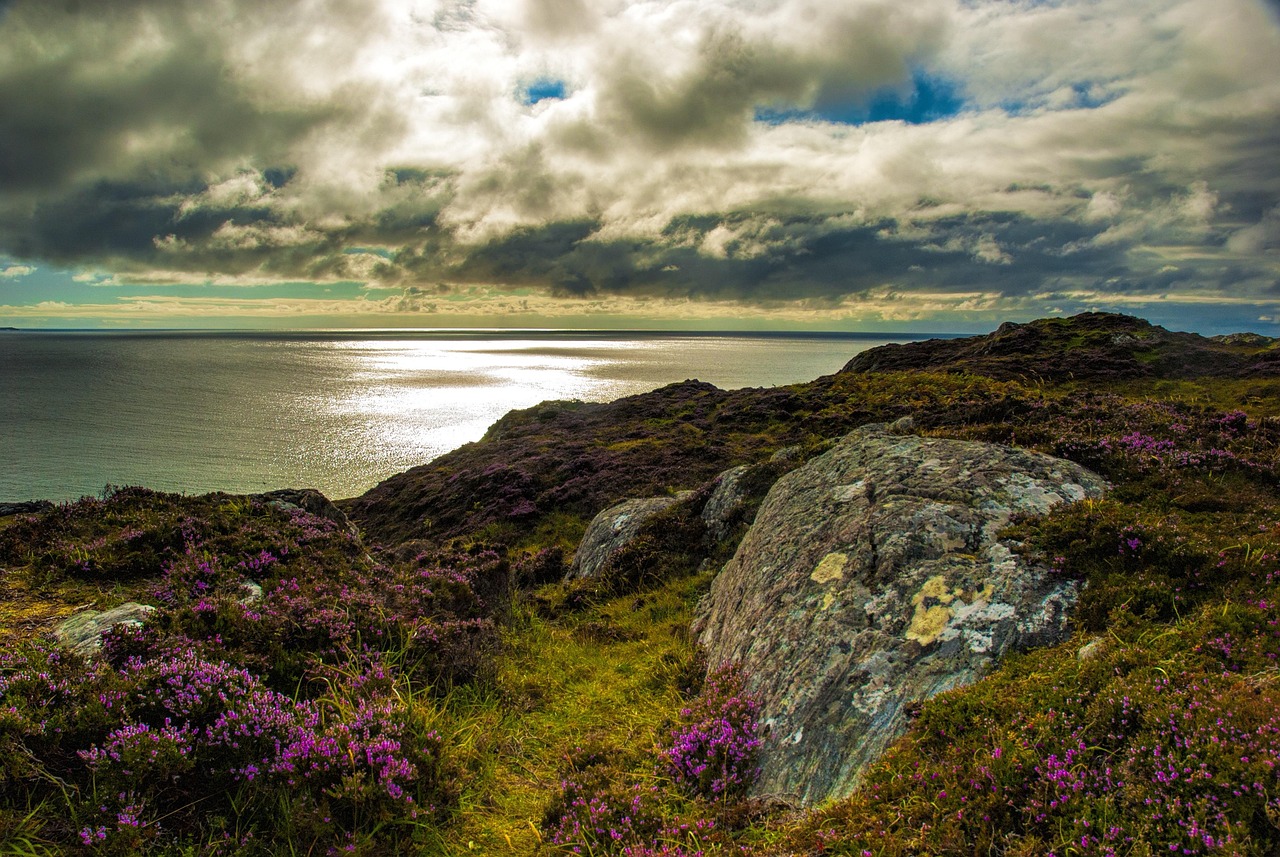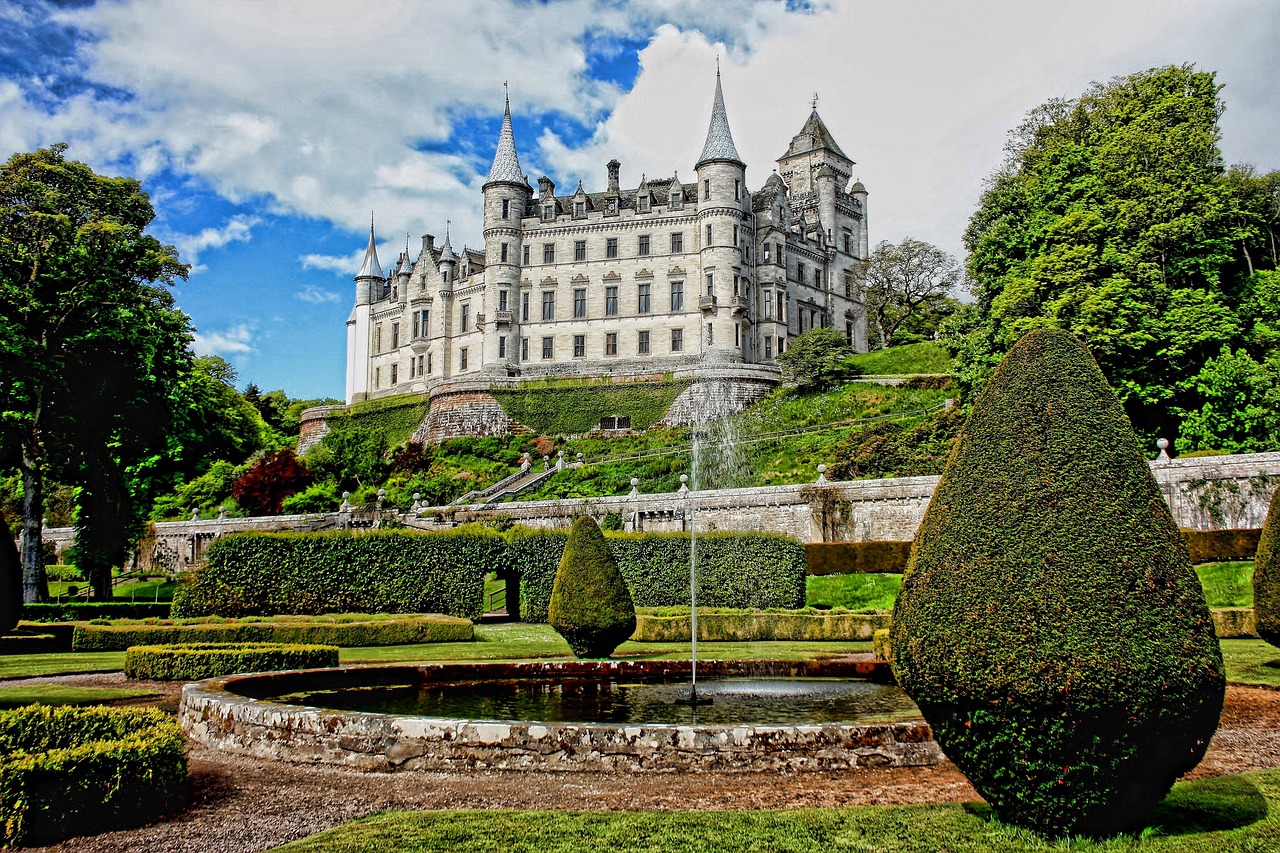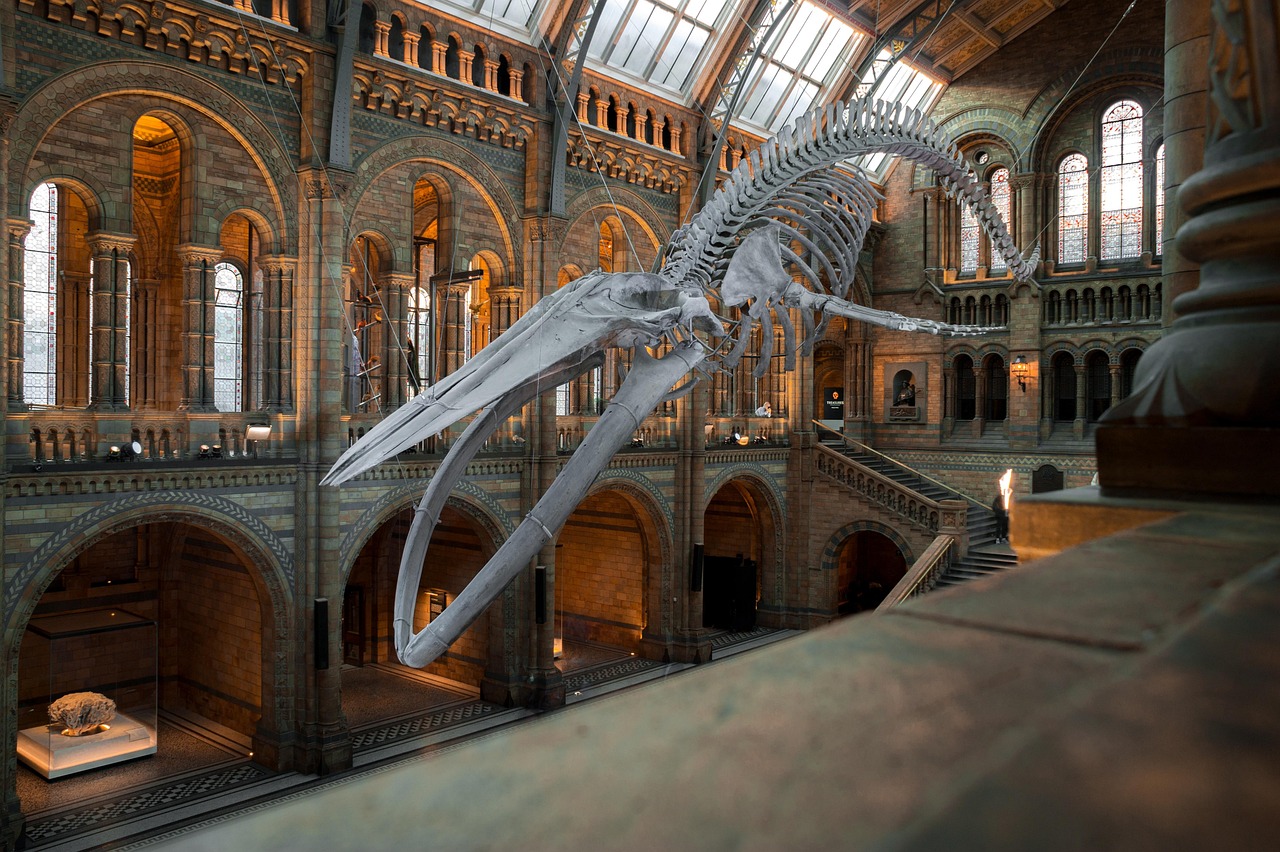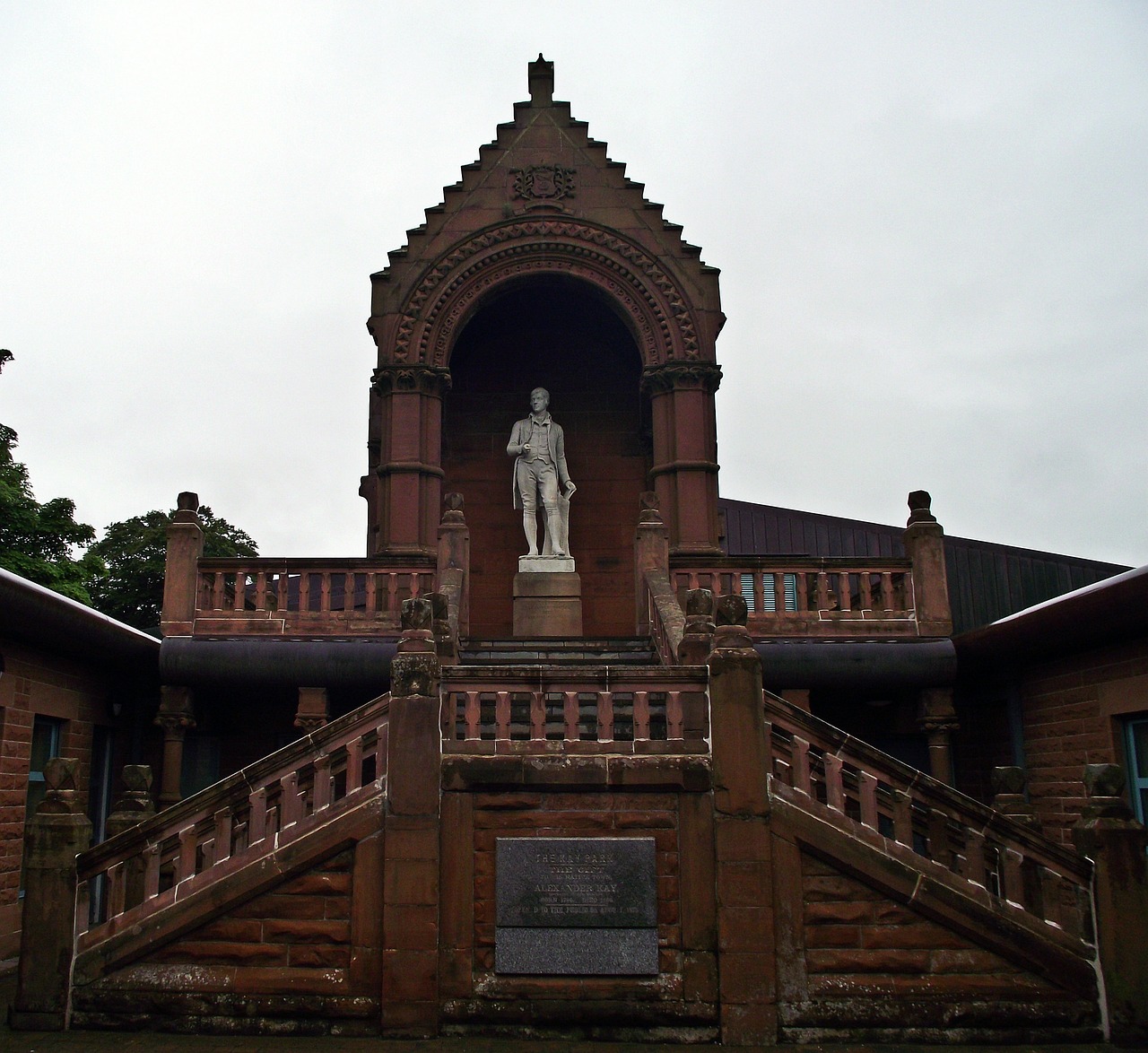
Welcome to the nexus of history, legend, and natural beauty: the region of Inverness and Loch Ness. Here, the bustling cultural hub of the Highland Capital meets the deep, mysterious waters of the world’s most famous loch, creating the perfect starting point for any Scottish adventure.
Inverness is more than just a gateway; it’s a vibrant city with a tangible link to Scotland’s past. Loch Ness is more than just a lake; it is a profound landscape steeped in centuries of myth.
At Tartan Trips, we believe the perfect adventure balances culture with the wild unknown. This comprehensive 2000-word guide will walk you through the essential historic sites, the best Nessie-hunting tactics, and the practical tips needed to master this magnificent corner of the Scottish Highlands.
Part 1: Inverness – The Highland Capital (Culture and Base Camp)
Inverness, sitting proudly at the mouth of the River Ness, is the northernmost city in the UK and serves as the social and logistical hub of the entire Highland region. It is the ideal base for a multi-day exploration.
1. Exploring Inverness City Centre: The Heart of the North
The city itself is charming and highly walkable, defined by the beautiful River Ness flowing straight through its centre.
- River Ness Walk: Start your exploration by strolling the banks of the River Ness. The walk is lined with grand Victorian and Georgian architecture. Follow the path south to the Ness Islands, a series of small, natural islands connected by elegant footbridges, offering a peaceful, green sanctuary right in the heart of the city.
- Inverness Castle: While the castle is not currently open to the public (it serves as a court building), it stands proudly on a hill overlooking the river. A visit to the castle viewpoint offers excellent panoramic views across the city rooftops and the surrounding hills.
- St Andrew’s Cathedral: Located on the west bank of the River Ness, this stunning Episcopal cathedral is known for its beautiful stained glass and intricate stonework.
2. The Victorian Market: A Historic Hidden Gem
Tucked away between the main shopping streets, the Victorian Market is a covered, ornate arcade that retains its original 19th-century charm. It is a fantastic place to soak up local life, grab a coffee, or browse unique independent shops selling everything from Scottish crafts to local produce. The architecture, featuring arched wooden ceilings and wrought iron detailing, makes it a pleasant and historic place to linger, especially on a rainy day.
3. Inverness Museum and Art Gallery (IMAG)
For a deep dive into the culture and history of the Highlands, the Inverness Museum and Art Gallery is an essential stop. It offers excellent exhibits detailing the region’s natural history, Jacobite story, and geological formation. Best of all, like most Scottish national museums, general admission is free, making it a perfect budget-friendly cultural activity.
Part 2: History and Prehistory – Sites Around Inverness
Just a short drive from the city centre, the area holds some of the most emotionally charged and ancient historic sites in all of Scotland.
4. Culloden Battlefield: The End of an Era
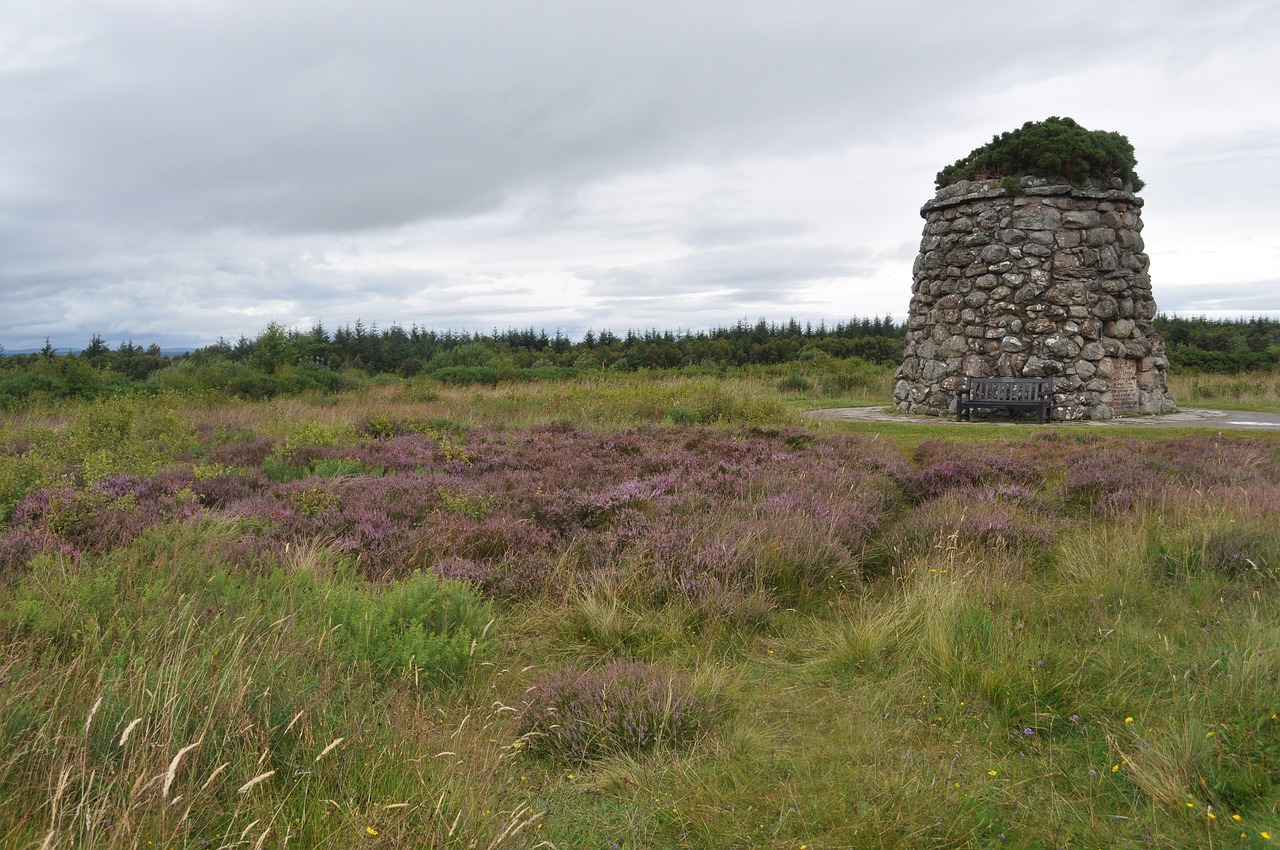
A visit to Culloden Battlefield is a deeply poignant and essential experience. This windswept moor, just five miles east of Inverness, was the site of the last pitched battle fought on British soil in 1746, where the Jacobite forces of Bonnie Prince Charlie were decisively defeated. This battle effectively ended the Highland clan system and the Jacobite cause forever.
- The Visit: The state-of-the-art National Trust for Scotland Visitor Centre provides crucial context, detailing the opposing sides and the battle’s devastating aftermath. Walking the memorial field, marked by clan stones and the grave markers of those who fell, is a powerful and sobering experience.
5. Fort George: A Monument to Georgian Power
Located on a windswept peninsula guarding the entrance to the Moray Firth, Fort George is one of the most outstanding examples of 18th-century military architecture in Europe. It was built after the Battle of Culloden to pacify the Highlands and still serves as a working military base today.
- Scale and Scope: The fortress is massive, covering a vast area. Allow at least two to three hours to walk the extensive ramparts, barracks, and the chapel. The sheer scale of its defenses is a testament to Georgian military engineering.
- Dolphin Spotting: The headland is one of the best locations in the Moray Firth to spot the local pod of bottlenose dolphins and seals swimming just offshore.
6. Clava Cairns: Ancient and Atmospheric
Located near Culloden are the Clava Cairns, a stunningly preserved Bronze Age cemetery complex featuring circular stone cairns and standing stones that date back nearly 4,000 years.
- Prehistoric Mystery: These large, ancient structures offer a tangible link to Scotland’s deep prehistory. The unique arrangement of the stones, often aligned with the winter solstice, provides a sense of quiet reverence and mystery.
- Outlander Connection: Although not the exact stones mentioned in the books, the atmosphere and appearance of the Clava Cairns strongly resemble the fictional Craigh na Dun, making it a popular spot for fans of the series.
Part 3: Loch Ness – The Heart of the Legend
No trip to Inverness is complete without venturing into the territory of the infamous monster. Loch Ness is more than 23 miles long and holds more water than all the lakes and reservoirs in England and Wales combined.
7. The Quest for Nessie: Boat Tours
The best way to appreciate the immense scale and mystery of Loch Ness is from the water. Tours range from high-speed thrills to relaxed cruises.
- High-Speed Ribs: For an adrenaline rush, take a fast Rib boat tour. These tours cover more ground quickly and offer a thrilling, wind-in-your-hair experience.
- Cruise Boats: Larger, more stable cruise boats often feature submerged sonar displays, allowing you to track the loch’s deep floor (and, perhaps, anything large swimming beneath the surface) while a guide shares the history and geology.
- Tip: Always look for the Loch Ness Centre & Exhibition in Drumnadrochit, which delves deep into the evidence and history of the monster legend.
8. Urquhart Castle: The Loch-Side Icon
The most dramatic and essential stop on Loch Ness is the majestic ruin of Urquhart Castle. Strategically perched on a peninsula overlooking the water, the castle provides the best vantage point for monster spotting while exploring centuries of Scottish history.
- The Ruins: Once one of Scotland’s largest castles, it played a key role during the Wars of Scottish Independence, changing hands repeatedly before being partially blown up to prevent its use by Jacobite forces. Climb the ancient tower house, explore the great hall, and imagine life within the walls.
- The Visitor Centre: The modern visitor centre provides an excellent museum, a short introductory film, and crucial historical context before you descend to the ruins. Book tickets ahead to skip the often-long queue.
9. Fort Augustus: The Loch’s Southern Gateway
Travel to the southern tip of the loch to visit the picturesque village of Fort Augustus. This is a quieter, charming place defined by the impressive locks of the Caledonian Canal.
- The Locks: Watch in fascination as boats navigate the five successive locks that allow vessels to transition between Loch Ness and Loch Oich. The entire system was designed by Thomas Telford in the early 19th century.
- Atmosphere: Fort Augustus is home to several cozy pubs and small restaurants offering the perfect place to stop for a meal and observe the end of the loch.
Part 4: Day Trips from the Capital (Venturing Out)
Inverness’s central location makes it the perfect launchpad for exploring other regions, from serene coastlines to the world of Scotch whisky.
10. The Black Isle: Coastline and Dolphins
Just north of Inverness, easily crossed via the Kessock Bridge, lies the Black Isle—a lush, fertile peninsula that is neither black nor an island. It offers charming villages and stunning coastal views.
- Chanonry Point: Drive to this famous spit of land, known as one of the best places in Europe for shore-based dolphin watching. The dolphins often swim close to the shore while hunting salmon, particularly on an incoming tide.
- Cromarty: Visit the beautifully preserved 18th-century village of Cromarty, filled with historic architecture and a tranquil harbour.
11. Cawdor Castle & Gardens: Literary History
Head east to visit Cawdor Castle, a magnificent medieval fortress with literary ties to Shakespeare’s Macbeth. Though the current castle was built after the historical king lived, its grandeur is undeniable.
- The Visit: Still occupied by the Dowager Countess Cawdor, the castle feels wonderfully lived-in. Explore its impressive rooms and the legendary “Thane’s Tree,” around which the castle is supposedly built.
- The Gardens: The castle is perhaps best known for its beautifully maintained gardens: the Walled Garden, the Flower Garden, and the Wild Garden.
12. The Speyside Whisky Gateway
Inverness sits close to the western edge of the famous Speyside Whisky Region. While the full trail takes days, several world-class distilleries are easily accessible as a day trip.
- Glen Ord: Located just outside Inverness on the Black Isle, this distillery offers the chance to sample the Singleton of Glen Ord and learn the fundamentals of malt whisky production.
- Dalwhinnie: Situated high in the Cairngorms, the Dalwhinnie Distillery is a rewarding stop, famous for its smooth, gentle single malt and its unique whisky and chocolate pairing tour.
Part 5: Practical Adventure Planning
Transportation: Car is King (But Alternatives Exist)
- Car: The most flexible option for exploring the Loch Ness perimeter, Culloden, and the Black Isle. The roads are generally good two-lane roads (unlike the single-track roads of the far west).
- Tours: If you prefer not to drive, numerous excellent bus tours depart from Inverness daily, covering Culloden, Loch Ness, and Urquhart Castle efficiently.
- Buses: Local bus services (Stagecoach) connect Inverness to Fort Augustus and some smaller villages around the loch, offering a budget-friendly option.
Accommodation: City vs. Loch-Side
- Inverness Base: Recommended for first-timers. It offers the widest range of hotels, B&Bs, and restaurants, plus easy access to main roads and train lines.
- Loch-Side Stay: For a more atmospheric, secluded experience, consider staying in a small B&B or hotel in Drumnadrochit or Fort Augustus.
Food: Highland Fare
While in the Highlands, indulge in the local specialities: try a local Cullen Skink (a creamy smoked haddock soup), find a traditional Highland Inn for hearty pub grub, and don’t forget to sample a variety of single malt whiskies at the city’s many excellent bars.
Inverness and Loch Ness provide the perfect intersection of accessible city life and dramatic Highland wilderness. Plan your journey, embrace the myths, and prepare for a truly balanced Scottish adventure.