| Isle of Skye & West Coast Wonders (10 Days) |
Isle of Skye and West Coast Scotland Tour
Take a 10 day Isle of Skye and West Coast Scotland Tour, a road trip through Scotland’s most storied landscapes and uncover some of Scotland’s greatest stories — battlefields and castles, misty lochs and soaring ridgelines, Gaelic culture and whisky lore.
Perfect for first-time visitors who want a quintessential Scottish road trip: Edinburgh’s historic streets, the cinematic glens of Glencoe, the raw beauty of Skye, the mystery of Loch Ness, and the rugged wilds of the Highlands.
Hand-picked accommodation options let you choose comfort level, while our local team supports every step of your route.
Overview
Isle of Skye & West Coast Wonders
The Journey of a Lifetime: Where Myths Meet the Sea
The Isle of Skye & West Coast Wonders is a 10-day deep dive into the most spectacularly beautiful and rugged landscapes Scotland has to offer. This itinerary is crafted for the adventurer, the photographer, and anyone who yearns for the raw, untamed heart of the Highlands and the Hebridean islands.
Your journey begins by arriving at Edinburgh Airport, then transitioning swiftly into the natural splendour of Loch Lomond and The Trossachs National Park. As you drive north, the landscape transforms, becoming steeper and more dramatic until you enter the legendary and sombre valley of Glencoe, site of ancient massacres and modern cinematic fame. This is a journey through scenery that stirs the soul.
🏞️ The Isle of Skye: An Otherworldly Realm
The heart of this tour is the mystical Isle of Skye. Crossing the famous bridge (or taking the ferry, as you choose), you will be immersed in a land of geological marvels. We dedicate time to the island’s most iconic locations:
-
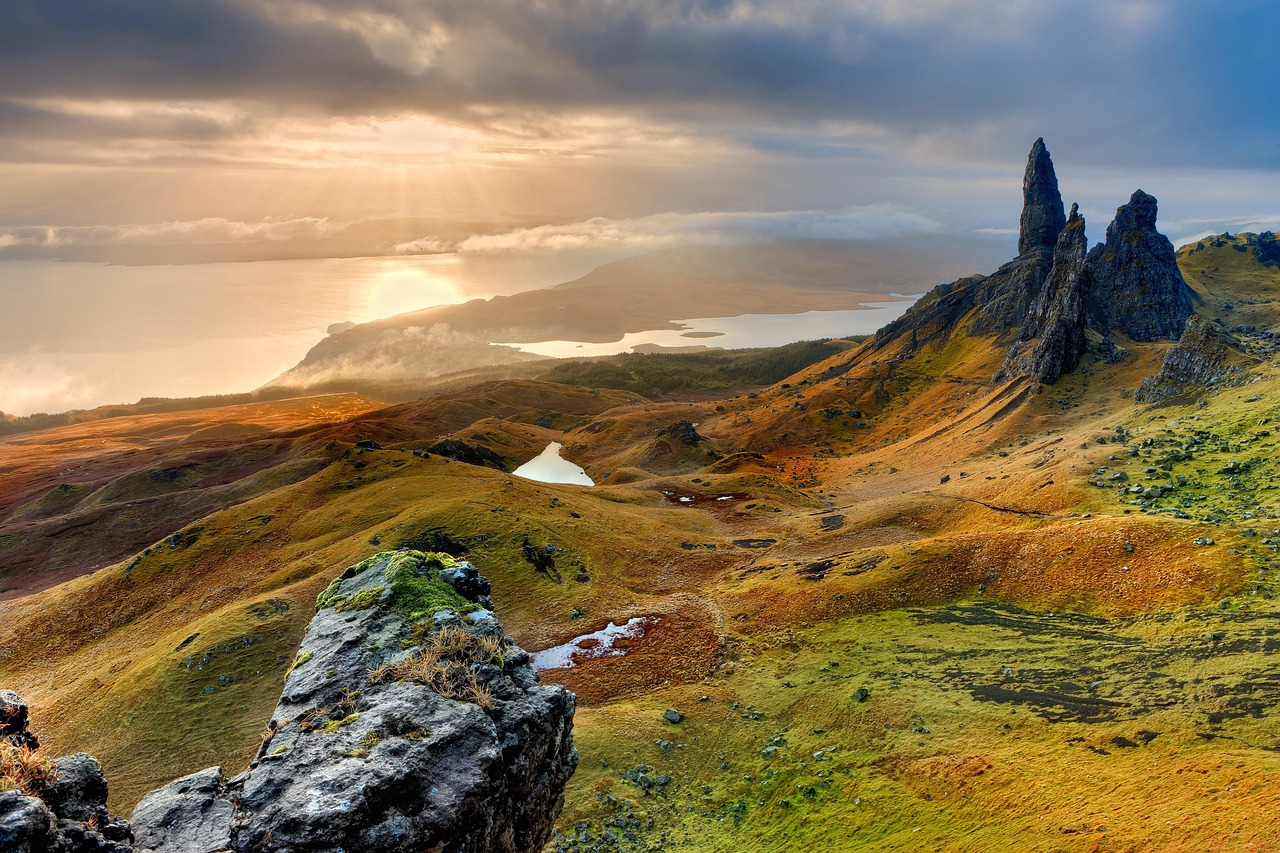
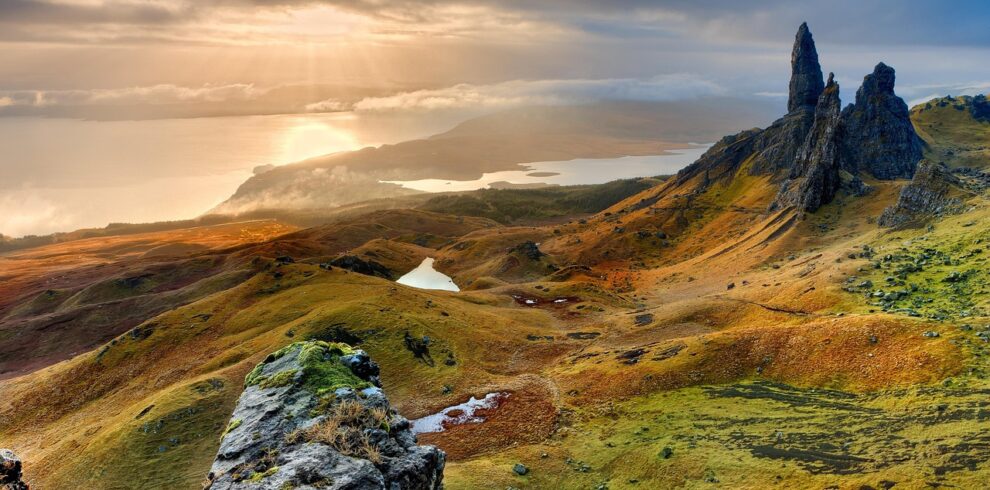
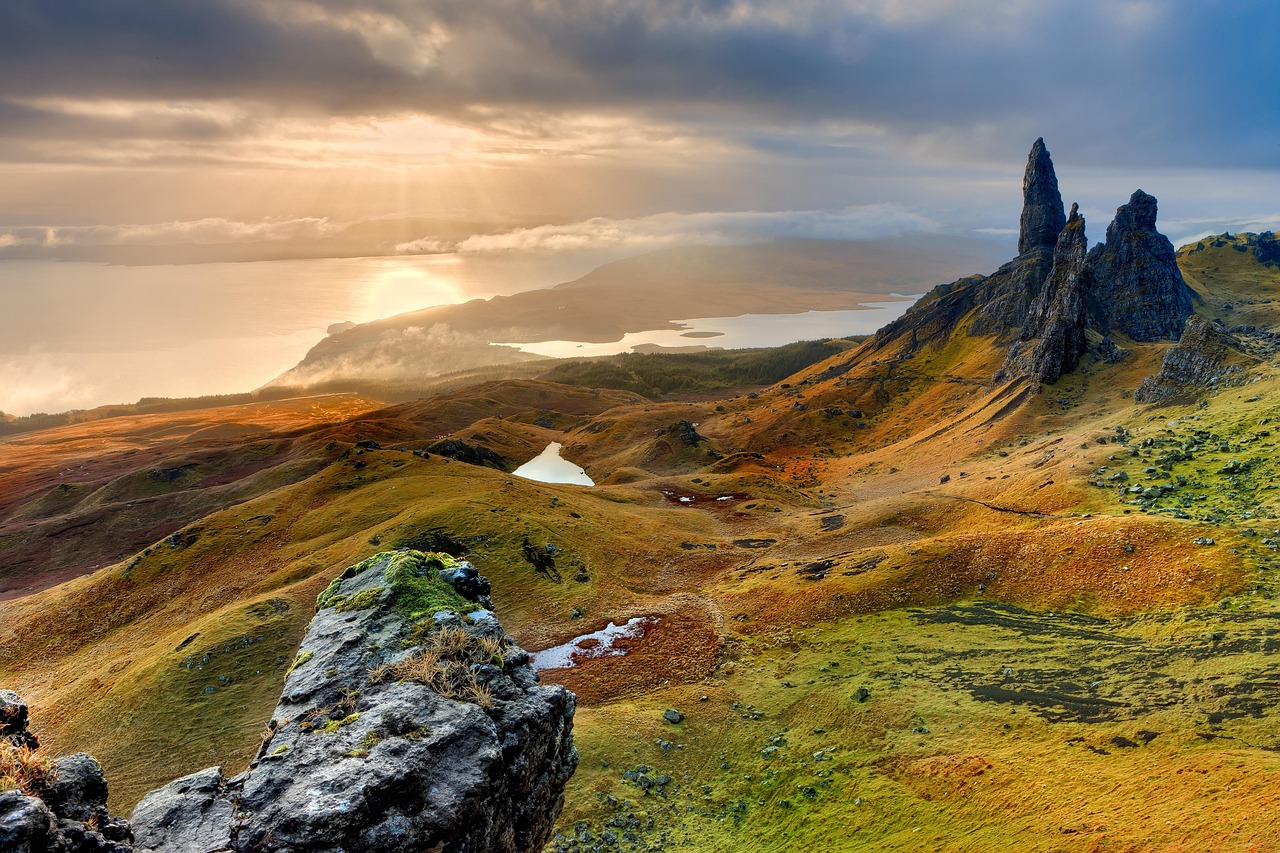
The Trotternish Peninsula: Explore the fantastical rock formations of the Old Man of Storr and the vast, undulating slopes of the Quiraing.
-
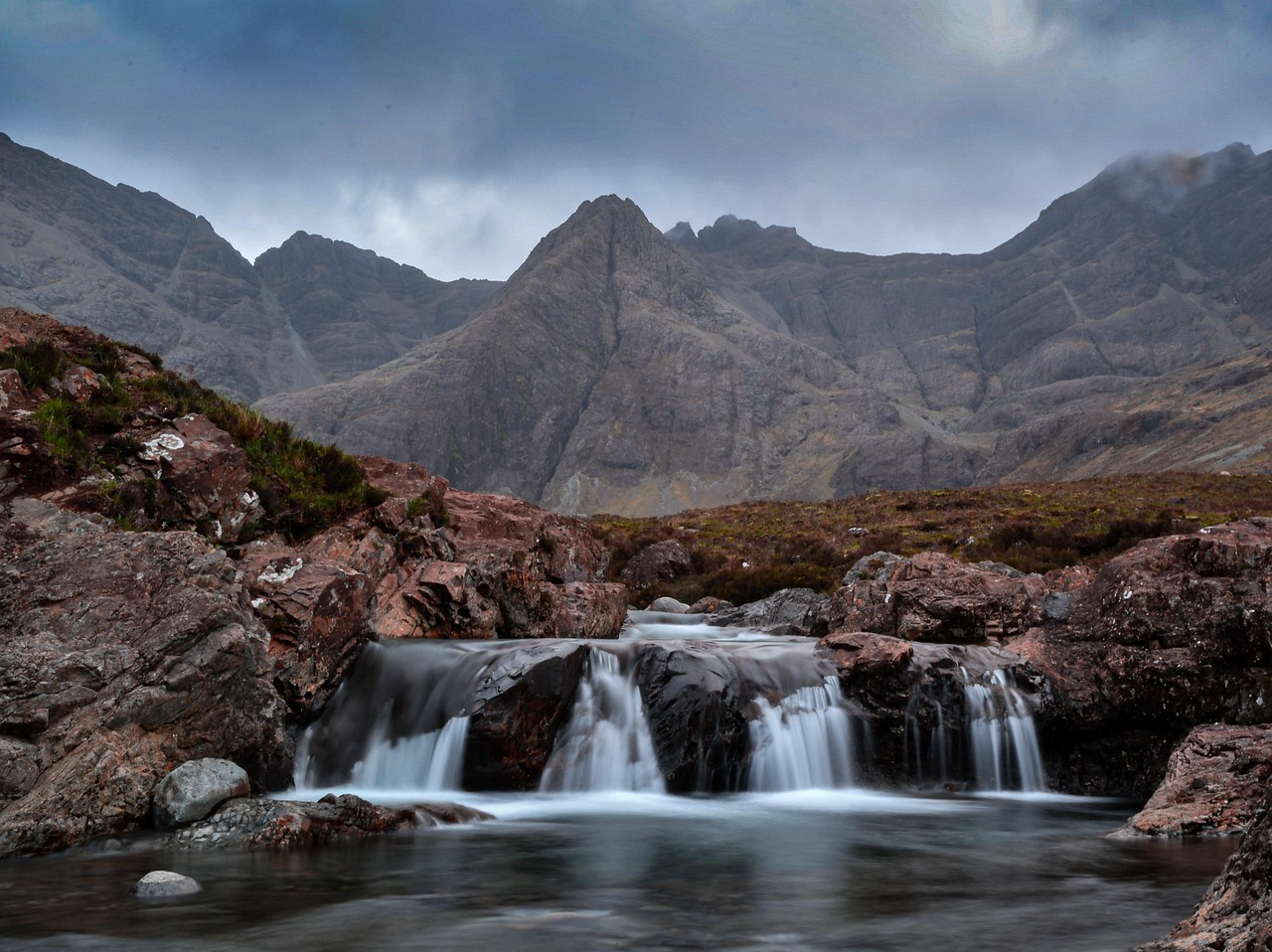
The Fairy Pools: Walk to these ethereal, crystal-clear natural waterfalls beneath the shadow of the mighty Cuillin Mountains—perfect for an unforgettable photograph or a quick, bracing wild swim.
-
Dunvegan Castle: Visit the ancient stronghold of the Clan MacLeod, the oldest continuously inhabited castle in Scotland, complete with stunning gardens and clan heirlooms.
🚢 Island Hopping & Coastal Charm
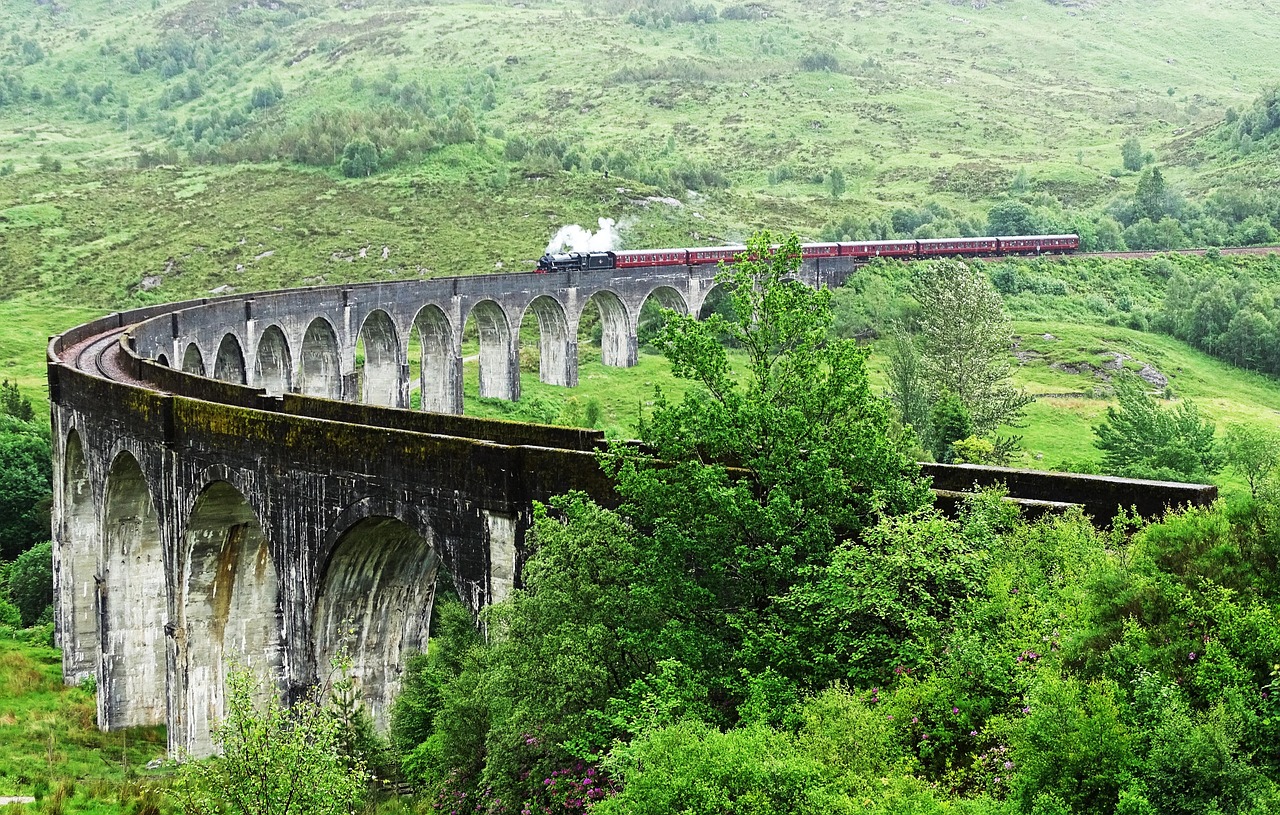
Beyond Skye, the journey continues back south catching sight of the iconic Glenfinnan Viaduct (of Harry Potter fame) and visiting the most photographed castle in Scotland: Eilean Donan Castle, dramatically set at the confluence of three sea lochsto the charming port town of Oban, the “Gateway to the Isles.” From here, we embark on a spectacular day trip to two of the most significant Inner Hebridean islands:
-
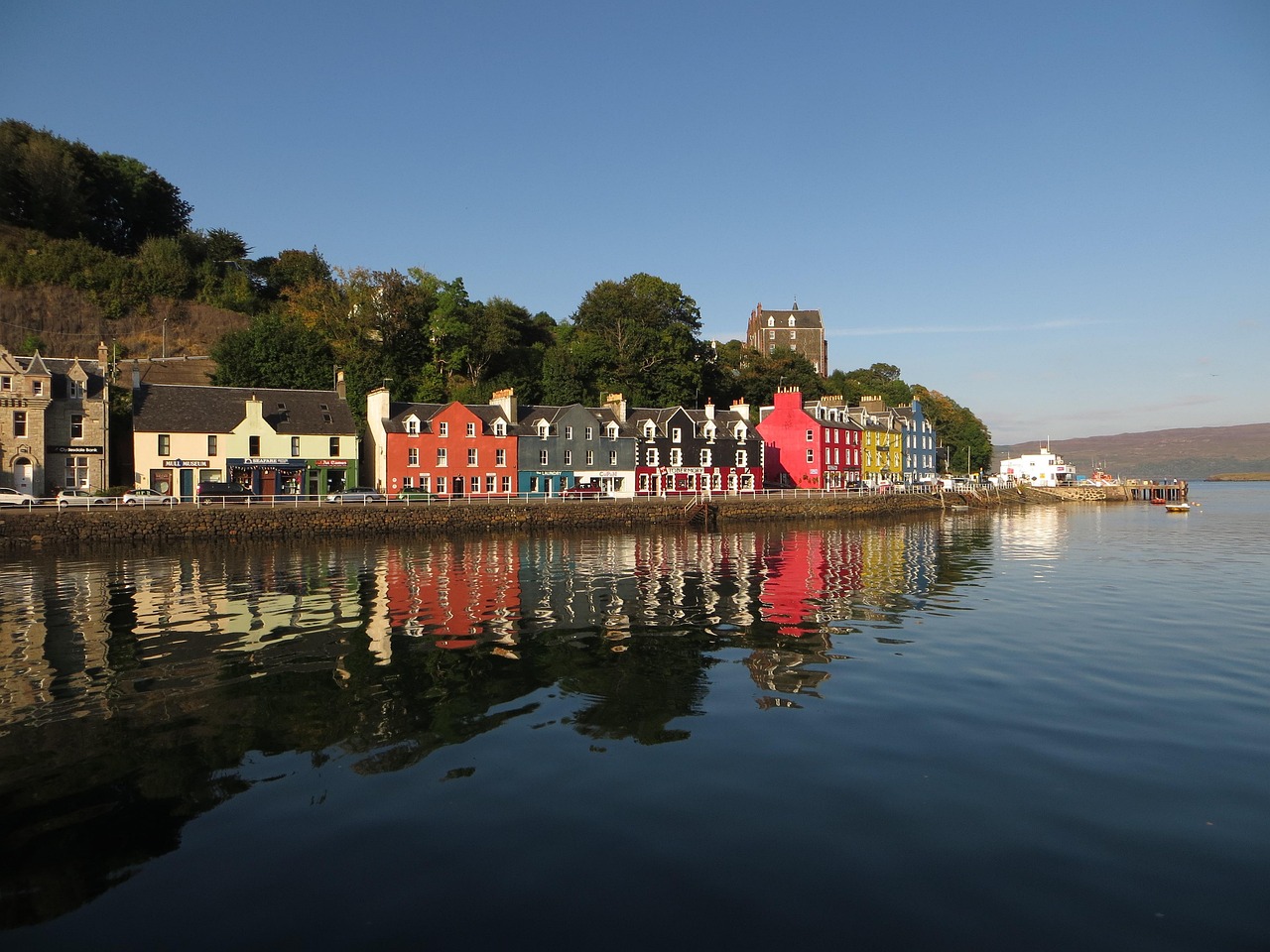
The Isle of Mull: Known for its vibrant, multi-coloured harbour town of Tobermory (the setting of the children’s show Balamory).
-
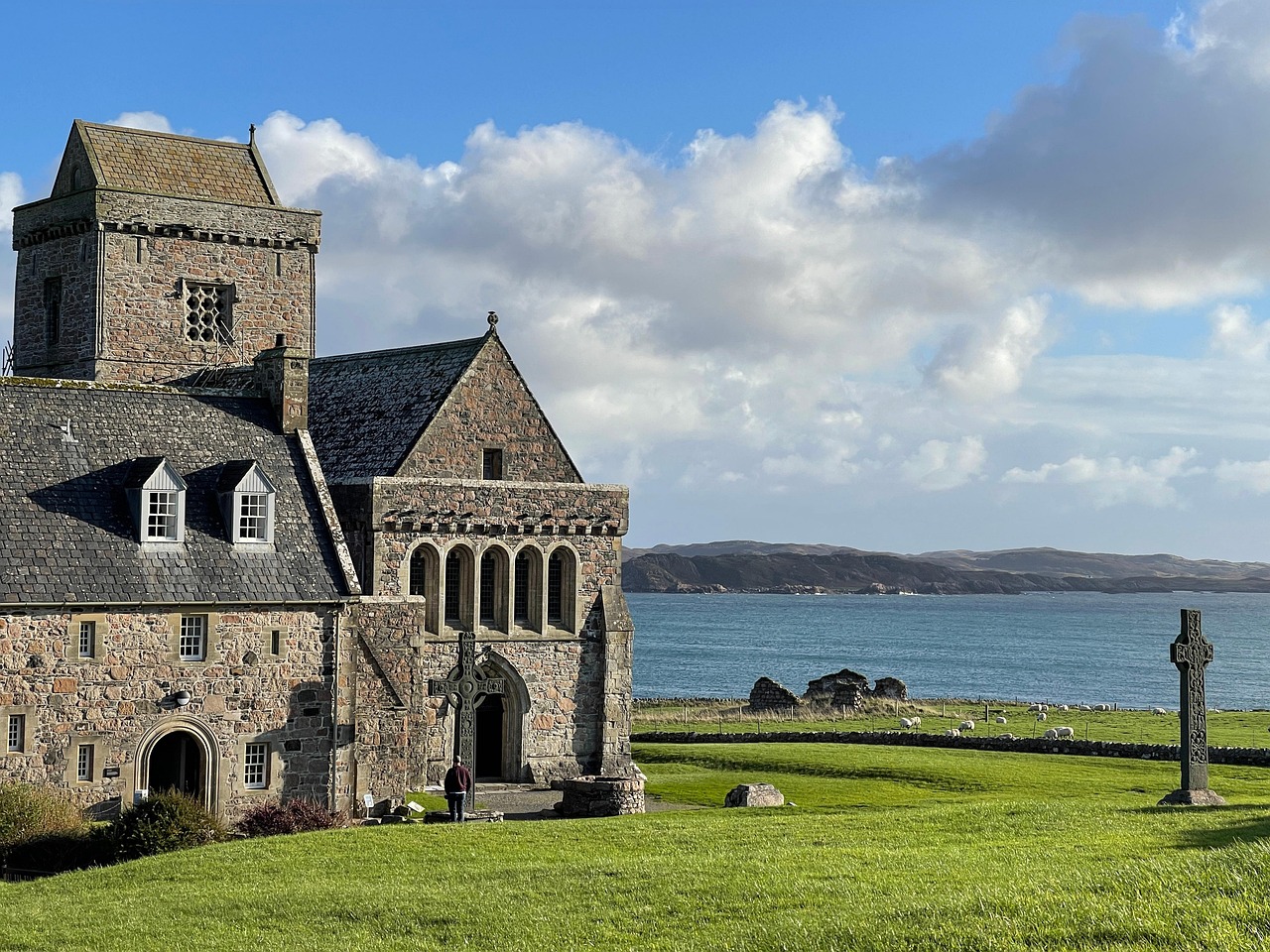
The Isle of Iona: The sacred cradle of Scottish Christianity, famous for its ancient Iona Abbey and its pristine, turquoise waters.
🏰 Final Wonders
The tour culminates by returning to the Capital City of Edinburgh and sightseeing for the remainder of the day
This 10-day 9-night itinerary is a meticulously planned exploration of lochs, mountains, islands, and history, promising a truly unforgettable taste of Scotland’s magnificent West Coast.
An immersive 10-day journey through the Highlands and the Atlantic edge, focusing on the breathtaking Isle of Skye, the dramatic valley of Glencoe, and the sacred Isles of Mull and Iona.
- Edinburgh
- Loch Lomond and The Trossachs National Park
- Lochaber
- Valley of Glencoe, site of ancient massacres and modern cinematic fame
- Spend two unforgettable days on the Isle of Skye - Enjoy top sights such as the Old Man of Storr, Quiraing, Fairy Pools, and Neist Point
- Oban, the "Gateway to the Isles."
- The Isle of Mull: Known for its vibrant, multi-coloured harbour town of Tobermory
- The Isle of Iona: The sacred cradle of Scottish Christianity, famous for its ancient Iona Abbey
- Inverary
- Edinburgh
Itinerary
The Isle of Skye & West Coast Wonders is a 10-day, 9-night deep dive into the most spectacularly beautiful and rugged landscapes Scotland has to offer. This itinerary is crafted for the adventurer, the photographer, and anyone who yearns for the raw, untamed heart of the Highlands and the Hebridean islands.
Your journey begins in the cultural hub of Glasgow, transitioning swiftly into the natural splendour of Loch Lomond and The Trossachs National Park. As you drive north, the landscape transforms, becoming steeper and more dramatic until you enter the legendary and sombre valley of Glencoe, site of ancient massacres and modern cinematic fame. This is a journey through scenery that stirs the soul.
The Isle of Skye: An Otherworldly Realm
The heart of this tour is the mystical Isle of Skye. Crossing the famous bridge, you will be immersed in a land of geological marvels. We dedicate time to the island's most iconic locations:
- The Trotternish Peninsula: Explore the fantastical rock formations of the Old Man of Storr and the vast, undulating slopes of the Quiraing.
- The Fairy Pools: Walk to these ethereal, crystal-clear natural waterfalls beneath the shadow of the mighty Cuillin Mountains—perfect for an unforgettable photograph or a quick, bracing wild swim.
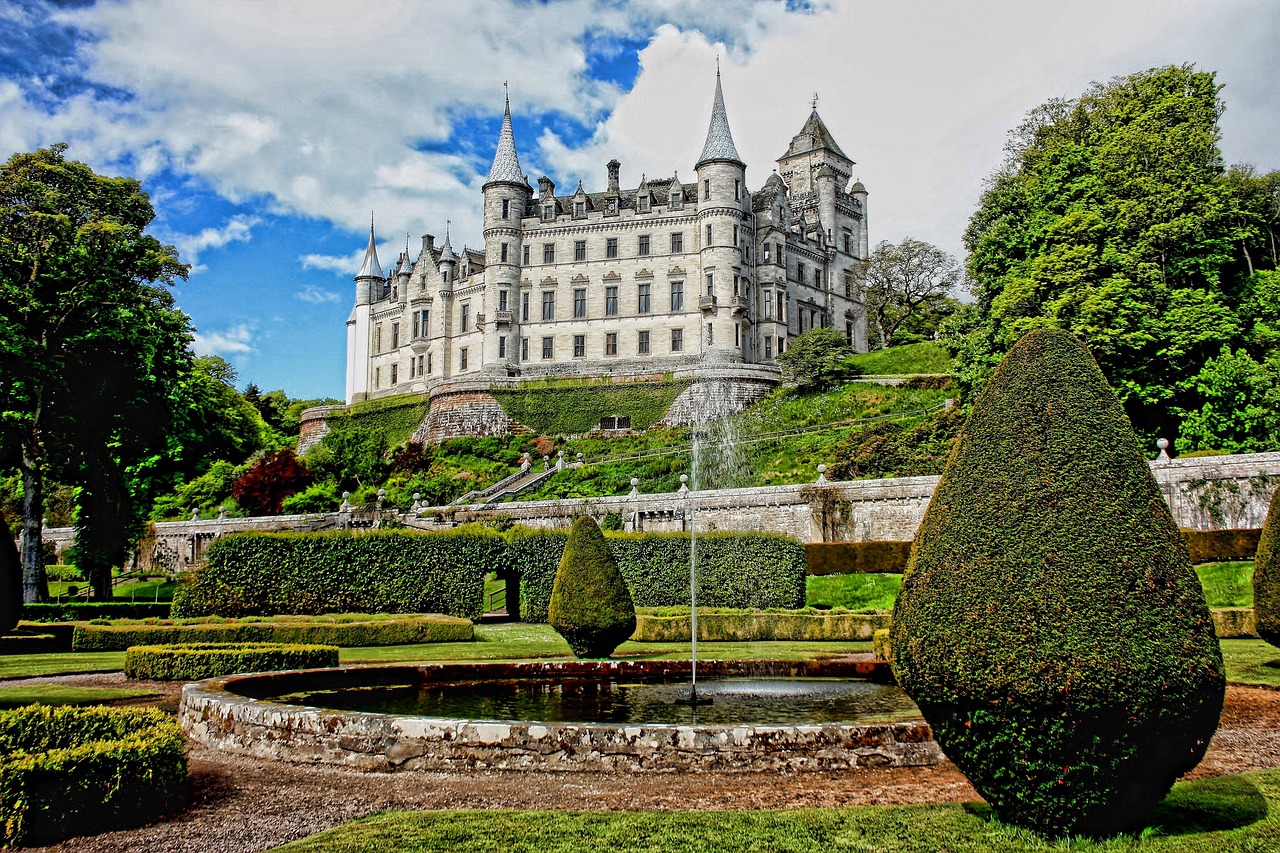
- Dunvegan Castle: Visit the ancient stronghold of the Clan MacLeod, the oldest continuously inhabited castle in Scotland, complete with stunning gardens and clan heirlooms.
Island Hopping & Coastal Charm
Beyond Skye, the journey continues to the charming port town of Oban, the "Gateway to the Isles." From here, we embark on a spectacular day trip to two of the most significant Inner Hebridean islands:
- The Isle of Mull: Known for its vibrant, multi-coloured harbour town of Tobermory.
- The Isle of Iona: The sacred cradle of Scottish Christianity, famous for its ancient Iona Abbey and its pristine, turquoise waters.
The tour culminates by tracing the historic Road to the Isles, catching sight of the iconic Glenfinnan Viaduct and visiting the most photographed castle in Scotland: Eilean Donan Castle, dramatically set at the confluence of three sea lochs. This 10-day itinerary is a meticulously planned exploration of lochs, mountains, islands, and history, promising a truly unforgettable taste of Scotland's magnificent West Coast.
Day 2: Arthur’s Seat, Grassmarket, National Museum, Princess Street & The New Town
Day two covers the elegant New Town, a shopping and cultural hub, and offers a chance to experience Edinburgh’s natur
| Time | Activity | Description & Tips |
| Morning (9:00 AM) | Arthur’s Seat Hike | Start with a brisk hike up the city’s highest point, an extinct volcano. The round trip takes about 1.5–2 hours. The views from the top are spectacular and worth the effort. |
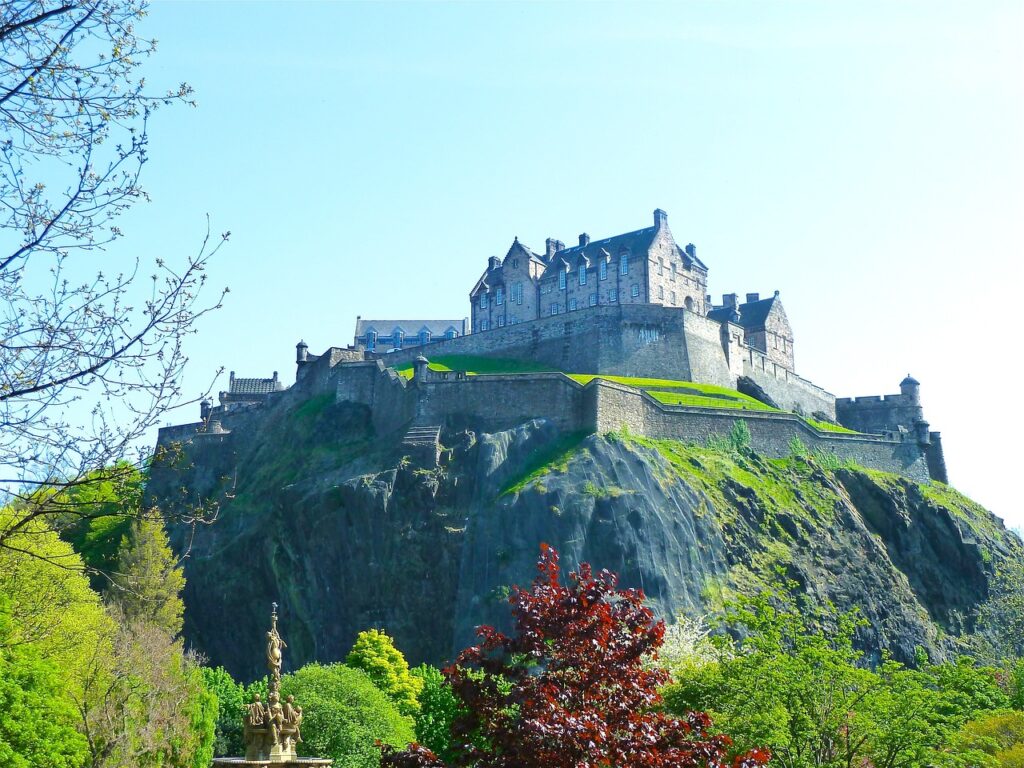
| Late Morning (11:30 AM) | Walk along Princes Street | Descend from Arthur’s Seat and head toward the beautiful Princes Street Gardens. Snap a photo of the Castle towering above the park. |
| Lunch | New Town Bistro | Dine in the elegant New Town. Look for a café or bistro on George Street or in the St. James Quarter area. |
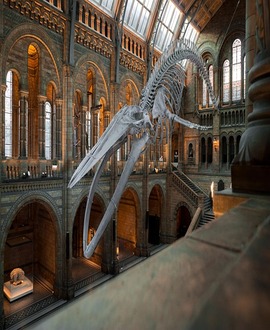
| Afternoon (2:00 PM) | National Museum of Scotland | Head back toward the Old Town’s southern end to visit this excellent museum. It’s free to enter and features everything from Scottish history and Dolly the Sheep to natural history and technology. |
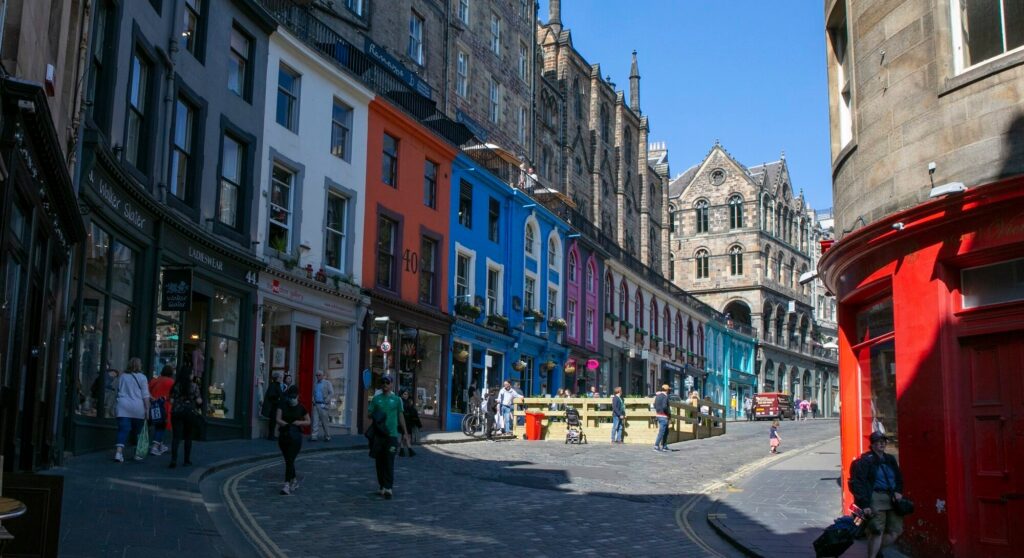
| Late Afternoon (4:00 PM) | Explore Victoria Street & Grassmarket | Wander down the colorful, curved Victoria Street (often cited as the inspiration for Diagon Alley). This leads you to the Grassmarket, a historic public space with great pubs and independent shops. |
| Evening (6:30 PM) | Dinner in the New Town | Enjoy a final dinner on Rose Street (a famous pedestrian lane packed with bars and restaurants) or treat yourself to a fine dining experience in the New Town. |
Edinburgh → Trossachs National Park → Glencoe — One-Day Scenic Itinerary
This unforgettable day trip takes you from Scotland’s historic capital into the heart of the Highlands, travelling through Trossachs National Park and ending in the dramatic landscapes of Glencoe. Perfect for self-drive and driver-guided tours, this route offers lochs, mountains, charming villages and breathtaking viewpoints — a classic Scottish journey.
Morning: Depart Edinburgh → Trossachs National Park (1 hr 15 min)
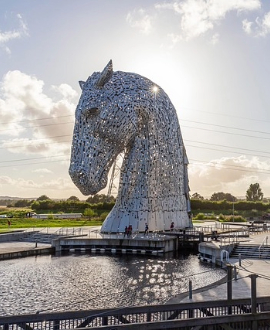
Leave Edinburgh early and head west, stopping near Falkirk to visit The Kelpies.
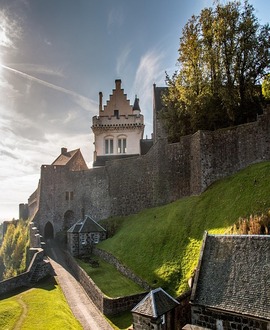
Continue on to Stirling’s iconic skyline and the impressive Stirling Castle or nearby National Wallace Monument or Battle of Bannockburn Visitor Centre.
Continue into the Trossachs National Park, known as “the Highlands in miniature” for its perfect blend of lochs, forests and rugged hills.
Top Stops in the Trossachs
Loch Lubnaig – crystal-clear waters framed by steep hillsides
Callander – a charming Highland gateway town, ideal for coffee or a pastry
Loch Katrine – a peaceful loch with scenic viewpoints and gentle walking paths
For visitors looking for an easy scenic walk, the shores of Loch Katrine or the Bracklinn Falls trails offer beautiful morning options.
Midday: Trossachs → Rannoch Moor → Glencoe
Continue your journey north toward the vast and wild Rannoch Moor, one of Scotland’s most dramatic wilderness views. The road opens into sweeping moorland framed by distant mountains — an ideal photography stop.
Soon the landscape rises sharply as you enter Glencoe, one of Scotland’s most spectacular glens, shaped by ancient volcanic activity and glaciers.
Afternoon in Glencoe: Scotland’s Most Famous Glen
Glencoe’s scenery is the highlight of this day. Towering peaks, deep valleys and mist-covered ridges create a cinematic backdrop at every turn.
Top Things to See in Glencoe
Three Sisters Viewpoint – a must-see for dramatic mountain photography
Buachaille Etive Mòr – one of Scotland’s most iconic peaks
Glencoe Visitor Centre – history, walking routes and panoramic viewpoints
Loch Achtriochtan – calm waters surrounded by steep cliffs
If time allows, enjoy a short walk such as:
The An Torr / Signal Rock Trail (easy, 45 minutes)
Lost Valley (moderate, 2–3 hours)
Evening: Arrive in Glencoe or Continue to Fort William
Finish your day settling into accommodation in Glencoe, Ballachulish or Fort William, ready for the next day of Highland adventure — whether heading to Glenfinnan, Loch Ness, or the Isle of Skye with TartanTrips.
Why This Route Is Perfect for TartanTrips Guests
This day combines gentle national park scenery with some of Scotland’s boldest Highland landscapes. It’s ideal for photography, exploration and connecting with Scotland’s natural beauty — a perfect transition from Edinburgh into the Highlands, whether on a self-drive tour or travelling with a private driver-guide.
Glencoe → Glenfinnan → Isle of Skye — One-Day Scenic Highlands Itinerary
This is one of Scotland’s most spectacular travel days, combining dramatic mountains, historic landmarks and unforgettable coastal scenery. Travelling from Glencoe to the Isle of Skye via Glenfinnan and Kyle of Lochalsh showcases some of the most iconic landscapes in the Highlands — ideal for both self-drive guests and private driver-guided tours with TartanTrips.
Morning: Glencoe → Glenfinnan (45–55 minutes)
Depart Glencoe and head west along a route framed by rugged mountains and shimmering lochs. The scenery becomes increasingly dramatic as you approach Glenfinnan, a place deeply woven into Scotland’s history and culture.
Top Things to Do in Glenfinnan
Glenfinnan Viaduct – the famous curved railway viaduct featured in the Harry Potter films
Glenfinnan Monument – commemorating the Jacobite Rising of 1745
Loch Shiel Viewpoint – one of the most breathtaking panoramas in the Highlands
If timing aligns, you may catch the Jacobite Steam Train crossing the viaduct — a highlight for photographers.
Midday: Glenfinnan → Fort William → Kyle of Lochalsh (2 hours)
Continue north through Fort William, sitting beneath Ben Nevis, the UK’s highest mountain. This makes a perfect lunch stop before following one of Scotland’s great coastal drives.
Your journey continues along:
Loch Linnhe
Loch Duich
Forested glens and fjord-like sea lochs
As you approach Kyle of Lochalsh, the scenery becomes increasingly coastal and dramatic.
Optional Stop
Eilean Donan Castle – one of Scotland’s most photographed castles, set on its own tidal island
A must-see if time allows.
Afternoon: Cross to the Isle of Skye (Skye Bridge)
From Kyle of Lochalsh, cross the iconic Skye Bridge onto Scotland’s most magical island. The landscape changes instantly — rugged cliffs, ancient mountains and sweeping sea views.
Top Scenic Stops on Arrival
Broadford Bay – coastal views and great light for photography
Sligachan Old Bridge & Cuillin Viewpoint – one of Skye’s most dramatic mountain landscapes
Continue to Portree, Skye’s colourful harbour town and ideal base for exploring the island.
Evening: Relax on the Isle of Skye
Settle into your accommodation and enjoy dinner in Portree or nearby villages. With the biggest driving day behind you, guests are ready to explore Skye’s world-famous natural wonders the next day — including the Old Man of Storr, Quiraing and Fairy Pools.
Why This Route Is Ideal for TartanTrips Guests
This travel day blends natural beauty, cinematic moments and iconic landmarks. It offers a perfect balance of stops, viewpoints and cultural history, making it one of the most memorable legs of any 10 day Scotland tour. Whether self-driving or travelling with a private driver-guide, the journey to Skye is a highlight guests never forget.
Full Day on the Isle of Skye — Complete Itinerary
The Isle of Skye is one of Scotland’s most breathtaking destinations, famous for its dramatic mountain ranges, coastal cliffs, waterfalls and ancient landscapes. This full-day itinerary showcases the island’s most iconic highlights, ensuring guests enjoy the perfect blend of scenery, photography, history and unforgettable viewpoints. Whether travelling as a self-drive guest or with a private driver-guide, this carefully designed day lets you experience the very best of Skye.
Morning: Old Man of Storr & Kilt Rock
Start your day early and head north from Portree toward the Old Man of Storr, Skye’s most recognisable landmark. A short but steep hike rewards you with sweeping views across the Sound of Raasay and the dramatic pinnacles that define Skye’s volcanic landscape. It’s one of the island’s best photo opportunities.
Continue along the Trotternish Peninsula to visit Kilt Rock & Mealt Falls, where basalt cliffs plunge into the sea and a waterfall cascades directly into the ocean. This is a quick stop with a fantastic viewpoint.
Midday: The Quiraing & Staffin
Drive deeper into the Trotternish Ridge to explore The Quiraing, a mystical landscape of twisted rock formations, plateaus and sheer cliffs created by ancient landslides. The loop walk here is spectacular, but even the roadside viewpoints offer unforgettable views. This is one of the most dramatic areas on Skye — ideal for photography lovers.
For lunch, head to Staffin or return toward Portree for cafés, seafood and traditional Scottish dishes.
Afternoon: Fairy Glen or Dunvegan Castle
After lunch, choose between two excellent experiences:
Option A: Fairy Glen (Uig)
A magical, otherworldly miniature landscape of grassy cones, ridges and tiny lochs. It’s a short walk but feels like stepping into Scottish folklore.
Option B: Dunvegan Castle
The ancestral home of Clan MacLeod, surrounded by gardens and coastal views. A great option for guests who enjoy Scottish history and castle visits.
Late Afternoon: Neist Point Lighthouse
Finish your day with a drive to Neist Point, one of the Isle of Skye’s most spectacular coastal viewpoints. A short walk leads you to cliffs overlooking the lighthouse and the Atlantic. It’s one of the island’s most famous sunset locations and the perfect way to end your Skye adventure.
Why This Itinerary Works
This full-day route covers Skye’s essential highlights while keeping driving manageable and allowing time for photography, gentle walks and exploration. It showcases the island’s volcanic landscapes, rugged coastlines and cultural landmarks — making it a must for guests on a 10-day Scotland tour with TartanTrips.
Isle of Skye → Oban
Morning – Depart the Isle of Skye
After breakfast, depart the Isle of Skye. Depending on conditions and schedule, either:
- Ferry option:
Travel to Armadale and take the ferry to Mallaig
Crossing time: approx. 30 minutes
Plus boarding time
or
- Skye Bridge option:
Drive via the Skye Bridge back to the mainland
Drive time: approx. 2–2.5 hours
Both routes offer superb West Coast scenery, from coastal views to rugged Highland landscapes.
Late Morning – Glenfinnan Viaduct
From Mallaig, continue to the Glenfinnan Viaduct.
Drive time from Mallaig: approx. 45 minutes
Enjoy time at the main viewpoint, with the opportunity to see the Jacobite steam train crossing the viaduct (subject to timetable and season).
Midday – Glenfinnan Monument & Loch Shiel
A short drive brings you to the Glenfinnan Monument, located at the head of Loch Shiel.
Drive time: approx. 5 minutes
Time to learn about the Jacobite Rising of 1745 and enjoy a gentle walk along the loch.
Afternoon – Scenic Drive to Oban
Depart Glenfinnan and travel south through the Highlands, passing lochs, glens, and coastal scenery en route to Oban.
Drive time: approx. 2.5–3 hours (including comfort/photo stops)
Evening – Arrive in Oban
Arrive in the harbour town of Oban, known as the “Gateway to the Isles.” Check into your accommodation and enjoy free time to explore the waterfront or dine on local seafood.
Overnight: Oban
Isle of Mull & Iona – Scotland’s Sacred Isles
Early Morning – Ferry to the Isle of Mull
Depart Oban by ferry to the Isle of Mull (approx. 45–60 minutes), enjoying scenic views across the Firth of Lorn as you sail to Craignure.
Late Morning – Drive Across the Isle of Mull
On arrival, drive west across Mull through dramatic Highland scenery, passing lochs, moorland, and rugged coastline en route to Fionnphort (approx. 1.5–2 hours). Photo stops may be made along the way, time permitting.
Midday – Ferry to the Isle of Iona
Take the short ferry crossing from Fionnphort to the Isle of Iona (approx. 10 minutes), arriving on one of Scotland’s most sacred and tranquil islands.
Afternoon – Visit Iona Abbey
Explore historic Iona Abbey, founded in the 6th century by St Columba and considered the birthplace of Christianity in Scotland. Enjoy free time to walk the island, visit the abbey church and cloisters, or relax on the nearby white-sand beaches.
Late Afternoon – Return to Mull & Oban
Return by ferry to Mull (10 minutes), then drive back across the island to Craignure (approx. 1.5–2 hours). Board the evening ferry back to Oban (approx. 45–60 minutes).
Overnight: Oban
Dunrobin Castle → Black Isle → Culloden Battlefield → Pitlochry
Oban to Inveraray – Whisky, Views & Highland Castles
Morning – Explore Oban
Enjoy a relaxed morning in the harbour town of Oban. Choose to visit the historic Oban Distillery for a guided tour and tasting, or take a short walk uphill to McCaig’s Tower for panoramic views over Oban Bay and the surrounding islands.
Late Morning – Depart Oban for Inveraray
Leave Oban and travel south along the scenic shores of Loch Awe toward Inveraray (approx. 1.25–1.5 hours). The route offers classic Highland scenery, with opportunities for photo stops along the way.
Midday – Inveraray Castle
Arrive in the charming town of Inveraray and visit the magnificent Inveraray Castle, ancestral home of the Duke of Argyll. Explore the grand state rooms, historic interiors, and beautifully maintained gardens overlooking Loch Fyne.
Afternoon – Inveraray & Loch Fyne
Enjoy free time in Inveraray to stroll the waterfront, browse local shops, or relax in a café. The surrounding Loch Fyne area is renowned for its seafood and peaceful Highland atmosphere.
Evening – Overnight in Inveraray / Loch Fyne Area
Check into your accommodation in Inveraray or the Loch Fyne area and enjoy a leisurely evening surrounded by West Coast scenery.
Overnight: Inveraray / Loch Fyne area
Inveraray / Loch Fyne to Edinburgh – Scenic Drive & City Sights
Morning – Drive Toward Edinburgh
After breakfast, depart the Inveraray / Loch Fyne area and travel east toward Edinburgh, passing lochs, forests, and rolling Lowland landscapes along the way (approx. 3.5–4 hours). Comfort and photo stops may be taken en route.
Early Afternoon – Arrive in Edinburgh
Arrive in Scotland’s capital city and check into your accommodation. After some time to refresh, set out to explore the city.
Afternoon – Edinburgh Sightseeing
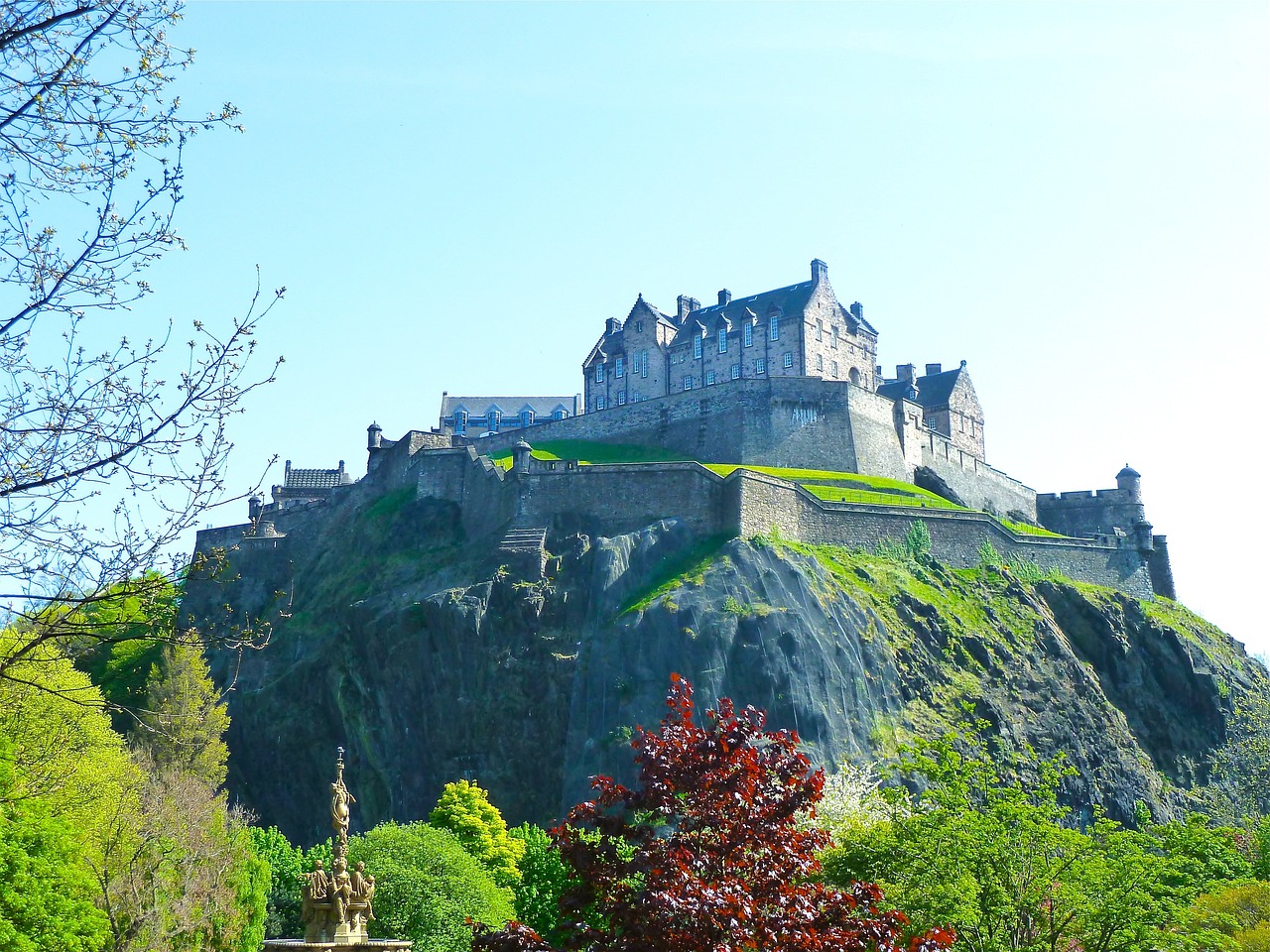
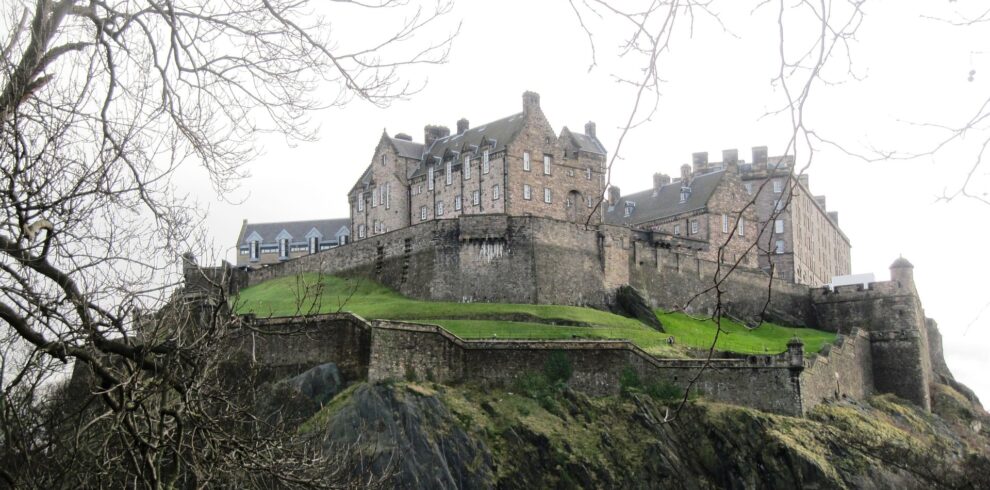
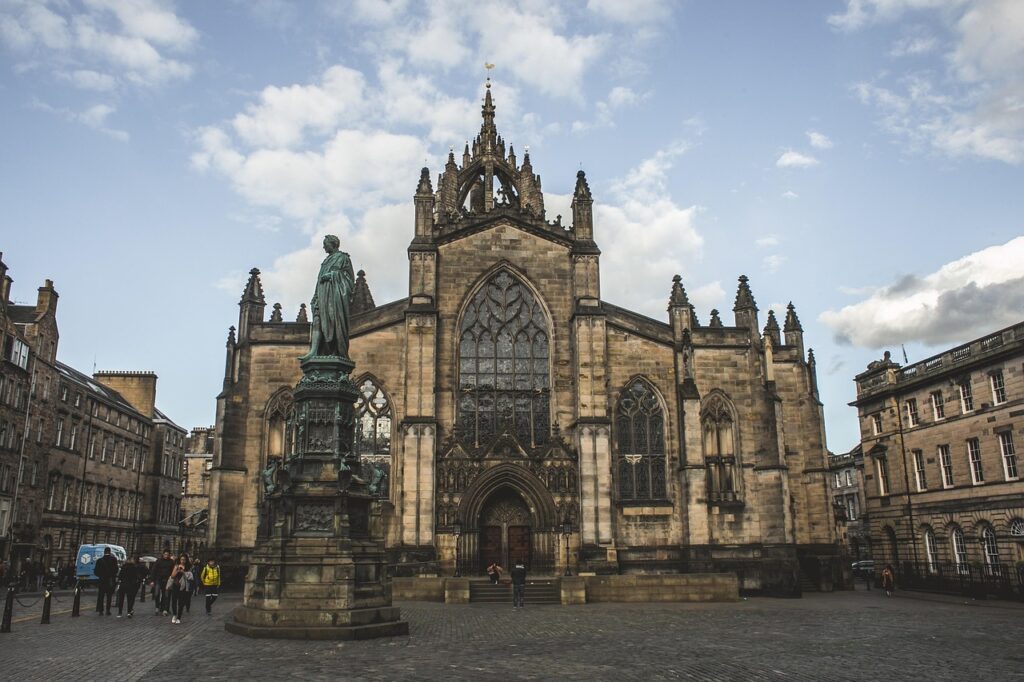
Enjoy afternoon sightseeing in Edinburgh, with time to explore highlights such as the Royal Mile, Edinburgh Castle (exterior), Princes Street Gardens, or the historic Old Town. Alternatively, stroll through the elegant Georgian New Town or enjoy views from Calton Hill.
Evening – Free Time in Edinburgh
Spend the evening at leisure, choosing from Edinburgh’s wide selection of restaurants, traditional pubs, or cultural venues.
Overnight: Edinburgh
After breakfast, head off to edinburgh Airport for your flight home with magical memories of your 10 day vacation to Scotland.
Self Drive Tours
As parking is difficult and expensive in Edinburgh, for the Self Drive Tour, you will be transferred to your Hotel on arrival.
On the morning of Day 3 you will be transferred to your Rental Car Depot to collect your vehicle.
For 2 Persons
Vauxhall Grandland or Similar
The Vauxhall Grandland (previously known as the Grandland X before its 2021 facelift) is a mid-sized family SUV that competes directly with models like the Nissan Qashqai, Skoda Karoq, and its sister car, the Peugeot 3008 (with which it shares its platform and engines).
It is primarily known for its comfort, practicality, and generous standard equipment, offering excellent value in the family SUV segment.
🔑 Key Characteristics
1. Design & Position
Aesthetics: Features a rugged, sporty exterior design, often accentuated by black body cladding and an elevated ride height. Post-2021 models feature the striking Vauxhall Visor front-end design, integrating the grille and headlights into a single module.
Comfort: Designed with a raised seating position for five occupants and a comfortable, well-damped suspension that performs well on long motorway drives, isolating occupants from poor road surfaces.
2. Practicality & Space
Size: It sits as the largest passenger SUV in the Vauxhall range (above the Mokka and Crossland), translating to good cabin and boot space.
Boot Space: Fuel/Petrol models offer a generous boot capacity of 514 litres (seats up), expanding to approximately 1,652 litres (seats folded).
Seating: Offers comfortable seating for five adults, with a good amount of head and legroom, and is fitted with ISOFIX child seat fixings on the outer rear seats.
4. Technology & Features
Infotainment: Even base models come well-equipped with a 7-inch or 10-inch touchscreen infotainment system that includes Apple CarPlay and Android Auto. Higher trims feature larger screens (up to 16-inches on newer models), digital instrument clusters, and built-in navigation.
Safety: Safety is a strong point, with the car receiving a five-star Euro NCAP rating. Standard features include Lane Departure Warning, Speed Sign Recognition, and Automatic Emergency Braking with pedestrian detection.
For 4 Persons
Škoda Superb Estate – or Similar – The Ultimate Touring Comfort
The Škoda Superb Estate is the premier choice for travelers on a Scottish self-drive trip who prioritize unmatched passenger space, executive comfort, and massive luggage capacity. Often lauded for offering luxury-class dimensions at a competitive price, the Superb Estate is arguably the ideal vehicle for extended Highland tours, golf trips, or families requiring serious cargo room.
If your travel party requires the absolute maximum amount of passenger and luggage space without upgrading to a large SUV, the Škoda Superb Estate is the definitive vehicle for your seamless Scottish adventure.
For 6 Persons
Mercedes Vito 9-Seater Tourer – Premium Group Transport
The Mercedes Vito 9-Seater Tourer is the ultimate choice for large groups, extended families, or business teams touring Scotland together. Blending the practicality of a minibus with the refinement and prestige of the Mercedes-Benz brand, it offers spacious seating for nine and the necessary luggage capacity for a multi-day journey across the Highlands.
The Mercedes Vito 9-Seater is the ideal premium solution for group travel, combining essential space with the reliability and comfort expected from Mercedes-Benz.
The Trip Cost Includes
- Meet & Greet at Edinburgh Airport
- Transfer from and to Edinburgh Airport to your Edinburgh Accommodation on Days 1 & 3
- Vehicle Rental for Days 3-10
- Rental Car or Transport with Driver / Guide
- 6 Nights Accommodation with Breakfast
- Rental Car includes Sat Nav and addresses of all overnight accommodations and popular places to visit
- 24/7 access to a member of www.tartantrips.com
The Trip Cost Excludes
- International Airfare
- Visa Charges
- Travel insurance
- Personal Expenses such as maels, shopping, bar bills, hot shower, telephone, laundry, titbits etc
Frequently asked Questions
The best time to visit Scotland depends on what kind of experience you want, but generally:
🌿 Late Spring (May – June)
This is often considered the best overall time to visit. The days are long (up to 17 hours of daylight), the landscapes are lush and green, and the weather is relatively mild and dry. It’s also just before the peak summer crowds, so attractions and golf courses are a bit quieter.
☀️ Summer (July – August)
Perfect for festivals (like the Edinburgh Festival Fringe) and sightseeing. Expect warmer weather, vibrant gardens, and lively towns — but also higher prices and more visitors. It’s the busiest time, especially in Edinburgh and the Highlands.
🍁 Early Autumn (September – early October)
A beautiful and calmer time to travel. The weather is still mild, the light is golden, and the Highlands are painted in autumn colours. Ideal for photography, hiking, and touring scenic routes.
❄️ Winter (November – March)
The quietest (and cheapest) season. Some remote attractions close, but cities like Edinburgh and Glasgow remain vibrant, especially around Christmas and Hogmanay (New Year). It’s also great for cozy castle stays and whisky tastings by the fire.
Best Tip:
If you want a balance of good weather, long days, and fewer crowds, late May to mid-June or September are the ideal months to visit Scotland.
The number of days you need to visit Scotland really depends on what you want to see and your pace of travel.
Here is a general breakdown based on common itineraries:
-
3 Days (A Quick Taste): This is enough time to focus on one major city like Edinburgh (visiting Edinburgh Castle, the Royal Mile) and perhaps take a quick day trip to the Highlands, Loch Lomond, or a nearby castle.
-
5 to 7 Days (The Essentials/Full Experience): This is a popular and well-rounded duration. It allows you to balance time between a major city (Edinburgh or Glasgow) and exploring key sights in the Highlands, such as Loch Ness, Glencoe, or a visit to the Isle of Skye.
-
9 to 10 Days (A Satisfying Tour): This duration lets you dive deeper, allowing for 2 days in a city like Edinburgh and then a comprehensive road trip hitting highlights like the Highlands, Loch Ness, and the Isle of Skye, with a more relaxed pace.
-
2 Weeks or More (In-Depth Exploration): With two weeks or longer, you can truly immerse yourself. This is ideal for exploring the remote Inner or Outer Hebrides islands, doing an epic road trip like the North Coast 500, or spending significant time hiking in places like the Cairngorms National Park and seeing multiple cities in depth.
For a first-time visitor wanting to see the main highlights without rushing, 7 to 10 days is often recommended as the perfect balance.
The cheapest time to visit Scotland is generally during the low season, which runs from November to mid-March.
Here’s a breakdown of why this period is the most budget-friendly:
-
Lowest Prices: You will find the lowest prices for flights and accommodation (especially hotels and B&Bs) as tourist crowds are minimal.
-
The Exception: Be sure to avoid the period over Christmas and New Year’s (Hogmanay), as prices in popular cities like Edinburgh will be significantly inflated due to major holiday festivals.
-
Weather Trade-off: Be prepared for colder, wetter weather, shorter daylight hours (the sun can set as early as 4 p.m.), and the possibility of snow, particularly in the mountainous regions of the Highlands.
-
Benefits: You’ll be rewarded with much smaller crowds at major attractions, a cozy atmosphere in pubs and country houses, and a chance to see the Northern Lights on clear nights in remote areas.
Other Budget-Friendly Options:
If you prefer slightly better weather but still want to save money, consider the shoulder seasons:
-
Late March/April (Spring)
-
October (Autumn)
During these months, you’ll benefit from lower prices than the peak summer season, beautiful scenery (spring blooms or autumn foliage), and many attractions will still be open, though some more remote sites may have reduced hours starting in mid-October.
Scotland is part of the United Kingdom (UK), so the documentation you need depends entirely on your nationality.
Here is a breakdown of the requirements for most short-term tourist visits (up to 6 months):
1. British and Irish Citizens
| Nationality | Required Document | Note |
| British Citizen | Passport | You don’t legally need a passport to enter Scotland from elsewhere in the UK, but it is the most common form of ID for travel, especially by air. |
| Irish Citizen | Passport or Irish National ID Card | Irish citizens have a unique right to travel freely to and within the UK under the Common Travel Area (CTA). |
2. EU, EEA, and Swiss Citizens
| Required Document | Note |
| Valid Passport | Your passport must be valid for the whole time you are in the UK. National Identity Cards are generally no longer accepted for entry, except in specific, limited circumstances (e.g., if you have pre-settled or settled status). |
| Electronic Travel Authorisation (ETA) | You will need an ETA. This is a new digital permission requirement for most travellers who do not need a visa for short stays. It is linked electronically to your passport. |
3. Non-Visa National Citizens (e.g., USA, Canada, Australia, New Zealand)
| Required Document | Note |
| Valid Passport | Must be valid for the entire length of your stay. You can generally stay for up to 6 months. |
| Electronic Travel Authorisation (ETA) | You will need an ETA. This is a digital permission to travel to the UK, similar to the ESTA in the US. You must apply for this online before you travel. |
4. Visa National Citizens
| Required Document | Note |
| Valid Passport | Must be valid for the entire length of your stay. |
| Standard Visitor Visa | If your country is on the UK’s visa list, you must apply for a Standard Visitor Visa before you travel. This allows you to visit for up to 6 months for tourism. |
⚠️ Important Actions to Take
-
Check Your Passport Validity: Your passport must be valid for the entire duration of your trip to Scotland/the UK.
-
Check the Official UK Government Site: The requirements can change, and your specific circumstances (purpose of visit, previous travel history) matter. Use the official UK Government “Check if you need a UK visa” tool for the most accurate information based on your nationality.
An Electronic Travel Authorisation (ETA) is a mandatory new requirement for U.S. citizens visiting the UK (which includes Scotland).1 It is very similar to the U.S. ESTA system.2
Here is a detailed explanation of the ETA application process for a US citizen traveling to Scotland:
✈️ UK ETA Application Overview for US Citizens
| Feature | Details |
| Who Needs It | All U.S. citizens (including children and babies) visiting the UK for tourism, short business, or study for up to 6 months. |
| When to Apply | You should apply before you travel. You will usually get a decision within 3 working days (often much faster), but it’s safest to apply at least a week before your trip. |
| Cost | £16 (British Pounds) per person. |
| Validity | The ETA is valid for 2 years or until the associated passport expires, whichever comes first. It allows for multiple visits (multiple entry). |
| Start Date | U.S. citizens are currently required to have an ETA for travel to the UK starting January 8, 2025. |
📝 Step-by-Step Application Process
The application is entirely digital and can be done either through a mobile app or the official government website.3
1. Gather Your Essentials
You will need the following items to complete the application:
-
The Passport you will use to travel to Scotland (it must be a biometric passport with a chip).4
-
An Email Address to receive your confirmation and decision.5
-
A Credit/Debit Card or digital payment method (Apple Pay/Google Pay) for the £16 fee.6
2. Choose Your Method
You can apply in one of two ways:
| Method | Recommended For | Key Step |
| UK ETA App | The quickest method, especially for scanning your passport. | You will be prompted to scan the biometric chip in your passport and scan your face (live “selfie”). |
| Online via GOV.UK | If you can’t use the app or are applying for someone who isn’t with you. | You will need to upload a photo of your passport’s photo page and a digital photograph of your face. |
3. Complete the Application Steps
Regardless of the method, the core steps are:
-
Provide Passport and Contact Details: Enter or scan your personal details exactly as they appear in your passport.7
-
Scan/Upload Documents: Take a photo/scan of your passport and complete the facial recognition scan/upload a compliant photo.8
-
Answer Suitability Questions: You will be asked a series of short questions regarding your identity, immigration history, and any past criminal convictions.9 You do not need to enter your specific travel plans (flights or accommodation).10
-
Pay the Fee: Pay the £16 fee using a credit card, debit card, or digital payment.11
4. Receive Your Confirmation
-
You will receive a decision by email, usually within 3 working days or much faster.12
-
The approved ETA is digitally linked to the passport you used to apply.13 You do not receive a physical sticker or document in the mail.
-
You must use that exact passport to travel to Scotland (and the rest of the UK).14
This is a key part of travel planning! The currency and payment system in Scotland is straightforward, but it has one unique quirk regarding cash that you should be aware of.
Here is a guide to the currency and payment methods in Scotland:
💰 The Official Currency: Pound Sterling (£)
The official currency of Scotland is the Pound Sterling (GBP), just like in the rest of the United Kingdom.
The Scottish Banknote Quirk
While the value is exactly the same, Scotland issues its own banknotes alongside the notes issued by the Bank of England (which are used in England and Wales).
Scottish Notes: Issued by three retail banks (Bank of Scotland, Royal Bank of Scotland, and Clydesdale Bank), these notes feature distinct Scottish figures and landmarks. They are perfectly valid and widely accepted throughout Scotland.
English Notes: Bank of England notes are also accepted everywhere in Scotland without issue.
The Travel Tip: If you withdraw cash from an ATM in Scotland, you will likely receive Scottish notes. While they are accepted in England, you may encounter occasional confusion or reluctance from smaller businesses there. To avoid this, try to spend your Scottish notes before you leave Scotland.
💳 Payment Methods (Card is King)
Scotland, like the rest of the UK, is heavily reliant on card and contactless payments.
1. Debit and Credit Cards (The Most Common)
Acceptance: Major credit cards, especially Visa and Mastercard, are widely accepted everywhere—from hotels and major restaurants to small cafes and local shops. American Express is accepted by major chains and tourist spots but less reliably by smaller businesses.
Contactless: Contactless payment (tapping your card or phone/watch using Apple Pay or Google Pay) is extremely common and preferred for most transactions under £100.
2. Cash (Less Used, Still Necessary)
Use: While major purchases are done by card, cash is useful for small vendors, market stalls, tips (though this is becoming less common), and in very remote areas where card machines might fail or be unavailable.
ATMs (“Cashpoints”): ATMs are widely available in cities and most towns.
Fees: Your home bank (e.g., US bank) will likely charge a Foreign Transaction Fee (often 1%–3%) for withdrawals. Some independent ATMs may also charge a small operator fee, but most bank-branded ATMs (like RBS, Bank of Scotland, etc.) do not charge an access fee.
💡 Top Recommendation for US Travelers
To maximize convenience and minimize fees, your best approach is:
Use a Travel-Friendly Debit/Credit Card: Use a card that offers zero foreign transaction fees. Many credit cards and specialized travel banking apps (like Wise or Revolut) offer this.
Opt for GBP: When paying by card, you may be asked: “Do you want to pay in USD or GBP?” Always choose GBP (the local currency). Letting the machine convert it for you (DCC) results in a poor exchange rate.
Minimize Cash Withdrawals: Rely on card for most purchases and withdraw a moderate amount of cash (£100-£200) from an ATM upon arrival at a major bank branch for incidentals, using a bank with low or no international ATM fees.
While English is the primary language you will hear and use everywhere, Scotland officially recognizes three historic languages.
Here is a breakdown of the languages you might encounter:
1. Scottish English (The Main Language)
Usage: Spoken by the vast majority of people (over 98%) and used in all business, education, media, and government.
For Visitors: This is the language you will rely on. You will have absolutely no problem communicating.
The Catch: Scottish accents vary widely and can be strong, especially in local pubs or smaller towns. If you find an accent difficult to understand, simply politely ask the person to repeat themselves, and they will usually slow down.
2. Scots Language (The Lowlands Tongue)
Nature: Scots is a Germanic language that is closely related to English (both derived from Old English). It is not a dialect of modern English, but its own language, recognized as such by the Scottish Government and the European Union.
Where you hear it: It is historically the language of the Lowlands (including Edinburgh and Glasgow) and the North-East.
For Visitors: You will often hear Scots used as part of everyday Scottish English in the form of specific words and phrases (often called Scots vocabulary). You’ll easily recognize words like:
Braw (excellent/fine)
Wee (small)
Ken (to know)
Dreich (dull, overcast, miserable weather)
3. Scottish Gaelic (The Celtic Tongue)
Nature: Gaelic is an ancient Celtic language with roots completely separate from English and Scots. It is related to Irish and Manx.
Where you hear it: It is a minority language spoken by only around 1-2% of the population (about 60,000 people). Its heartland is the Highlands and Islands, especially the Outer Hebrides (Na h-Eileanan Siar) and parts of the Isle of Skye.
For Visitors:
You will frequently see bilingual road signs in Gaelic and English throughout the Highlands.
Many place names are derived from Gaelic (e.g., Loch means lake, Ben means mountain, Glen means valley).
While you are unlikely to need it for communication unless visiting the most remote islands, it is a key part of Scottish cultural identity.
Summary for Travelers:
Language
Type
Where It Dominates
Do I Need to Speak It?
English
Germanic
Everywhere
No, English is sufficient.
Scots
Germanic
Lowlands (Used as vocabulary/slang)
No, but knowing a few words is fun.
Gaelic
Celtic
Outer Hebrides, parts of Skye & Highlands
No.
In short, you only need to speak English to travel, but you will enjoy your trip more if you learn a couple of Scots words and appreciate the history of the Gaelic place names!
Learning a few common Scots words and phrases can be a great way to break the ice and show a little appreciation for the local culture.
Here are some essential and fun Scots words you might hear (or use yourself!):
👋 Common Greetings & Interjections
| Scots Word/Phrase | Pronunciation | English Meaning | Usage Tip |
| Aye | Eye | Yes | The most common way to agree or confirm something. |
| Naw | Naw | No | The most common way to disagree. |
| How’s it gaun? | Hooz it gawn | How are you? / How is it going? | A casual greeting, especially in Glasgow. |
| Ta | Tah | Thank you / Thanks | A very quick and casual way of saying thanks. |
| See ye later | See ya later | Goodbye / See you later | A standard farewell. |
🍺 Eating, Drinking & Socializing
| Scots Word/Phrase | Pronunciation | English Meaning | Usage Tip |
| A wee dram | A wee drom | A small measure of whisky | You will hear this phrase often when ordering or discussing Scotch! |
| Bairn | Bairn | Child / Baby | Used endearingly for a young child. |
| Ken | Ken | To know (a fact or person) | “Do you ken where the castle is?” |
| Skint | Skint | Broke / Having no money | “I cannae buy a pint, I’m skint.” |
| A pint | A pint | The most common size of a beer | Used the same as in England. |
⛰️ Describing the Scenery & Weather
| Scots Word/Phrase | Pronunciation | English Meaning | Usage Tip |
| Braw | Braw | Excellent / Splendid / Fine | Used to describe good weather or a great sight. “That view is braw!” |
| Dreich | Dree-ch | Miserable / Drab / Overcast (weather) | Used to describe the typical grey, wet Scottish weather. “It’s awful dreich ootside.” |
| Misty / Haggard | Misty / Haggard | Foggy / Hazy | Often used in the Highlands to describe the low cloud cover. |
| Bonnie | Bonnie | Beautiful / Pretty | Used to describe a person or a place. “She’s a bonnie lass.” |
The golden rule for packing for Scotland, regardless of the season, is to master the art of layering and prepare for rain and wind.
Scotland’s weather is famous for experiencing “four seasons in one day,” especially in the Highlands.
Here is a comprehensive packing list, categorized for your convenience:
🧥 Clothing: The Layering System
You should structure your clothing into three main layers that you can easily add or remove throughout the day.
1. The Base Layer (Comfort & Warmth)
Tops: A mix of T-shirts and long-sleeved tops (Merino wool or synthetic are excellent choices as they are warm and quick-drying).
Bottoms: Jeans, leggings, or fast-drying travel trousers.
Warmth Bonus: Thermal tops and leggings if traveling between October and March, or if you plan to hike mountains (called Munros).
2. The Mid-Layer (Insulation)
Fleece / Jumper (Sweater): A thick, warm fleece, sweater, or hoodie. This is your main insulator against the cold. Wool or cashmere are popular Scottish choices.
Cardigan: A versatile item for city sightseeing or pub evenings.
3. The Outer Layer (Protection)
Waterproof Rain Jacket (Essential): This is the single most important item. It must be waterproof and windproof—not just water-resistant—with a hood. The wind is often a bigger factor than the cold itself.
Insulated Jacket (Optional/Winter): A packable down jacket or light puffer coat that can be worn under your waterproof shell for extra warmth (especially for evening or cold days).
👟 Footwear
Waterproof Walking Shoes/Boots (Must-Have): Choose a comfortable, sturdy pair with good grip. They should be waterproof to handle wet cobblestones in cities and muddy trails in the countryside. You will be walking far more than you expect.
Casual City Shoes/Trainers: A second, drier pair of comfortable sneakers or boots for days when you stick to city centers.
Socks: Multiple pairs of warm, thick, moisture-wicking socks (wool or hiking socks are ideal).
🧣 Accessories
Hat, Scarf, and Gloves: Essential, especially outside of high summer. The wind can cut right through you, making a hat a lifesaver.
Daypack: A small, lightweight backpack to carry your rain jacket, water bottle, layers, and snacks for day trips. Make sure it’s water-resistant!
Sunglasses: Even on cloudy days, the sun can be bright, especially when hitting lochs or high-altitude areas.
🦟 Seasonal & Gadget Essentials
Item
Best For
Note
Midge Repellent
Late Spring to Early Autumn (May – September)
Crucial for the Highlands and West Coast. Scottish midges (tiny biting flies) are notorious. Local travelers often swear by Avon Skin So Soft or dedicated sprays like Smidge.
UK Adapter
All Year
The UK uses the Type G three-pronged rectangular plug.
Portable Power Bank
All Year
Essential for keeping your phone charged while navigating or taking photos on long road trips.
Small Umbrella
City Sightseeing
Only useful if there is no wind; otherwise, your hood is better.
Quick-Drying Towel
Budget Accommodation / Wild Swimming
A quick-drying travel towel is always a helpful backup.
My advice is to wear your heaviest layers and walking shoes on the flight to save room in your luggage!
Here is a clear guide on the electrical adapters required for a visit to Scotland (which uses the UK electrical standard):
🔌 1. The Adapter (Plug Shape)
You will definitely need a physical adapter to plug your devices into the wall sockets.
Scottish/UK Plug Type: Type G (Three rectangular pins arranged in a triangle).
US Plug Type: Type A or B (Two flat pins, or two flat and one round grounding pin).
What You Need: A US to UK (Type G) adapter.
The UK wall sockets are safe and often have individual on/off switches next to them—make sure to flip the switch on after plugging in your device!
⚡ 2. The Converter (Voltage Difference)
This is the more crucial part, as getting this wrong can fry your electronics.
Factor
Scotland (UK)
USA
Conclusion for Tourists
Voltage
$mathbf{230,V}$
$mathbf{120,V}$
UK voltage is nearly double that of the US.
Frequency
$50,Hz$
$60,Hz$
The cycle difference rarely affects modern electronics.
Do you need a Voltage Converter?
For most modern travel electronics, the answer is NO.
Check the Label: Look at the small text on the power adapter/charger for your phone, tablet, camera, or laptop.
Look for Dual Voltage: If the label says “INPUT: 100-240V, 50/60Hz,” it is a dual-voltage device, and it can handle the higher 230V in Scotland without a converter. You only need the Type G adapter plug. (This is true for almost all phones, tablets, and laptops).
When you DO need a Voltage Converter
You will need a bulky and heavy voltage converter if you are bringing a device that is single-voltage (meaning it only says “INPUT: 120V”).
The most common offenders are Hair Dryers, Hair Straighteners, and older travel irons.
Recommendation: Leave your high-wattage single-voltage devices (like hair dryers) at home. Most hotels and B&Bs in Scotland provide a hairdryer, and buying a cheap, dual-voltage travel dryer is safer than using a converter.
💡 Best Solution: Universal Adapter with USB Ports
Instead of buying multiple small Type G adapters, consider investing in a Universal Travel Adapter that includes USB ports.
This compact device will accept your US plugs and offer multiple USB slots for charging your phone, tablet, and camera simultaneously, making the most of one UK outlet.
Make sure the universal adapter you buy explicitly supports the UK/Type G plug type.
Driving in Scotland is an incredible way to experience the scenery, but it involves some significant differences from driving in the US. The main challenges are the side of the road and navigating the narrow, rural routes.
Here is a guide to everything you need to know about driving in Scotland:
🛣️ 1. The Basics (The Opposite Side)
| Rule | Scotland (UK) | US |
| Side of the Road | Drive on the Left. | Drive on the Right. |
| Driver’s Seat | The steering wheel is on the Right side of the car (Right-Hand Drive). | The steering wheel is on the Left side. |
| Shifting | If you rent a manual, you shift with your Left hand. | You shift with your Right hand. |
| Road Distance | Signs show distance in Miles and Yards. | Signs show distance in Miles and Feet. |
Driving License Requirements
Your valid U.S. state driver’s license is generally accepted for driving in Scotland (and the rest of the UK) for short visits (up to 12 months). An International Driving Permit (IDP) is not legally required but is recommended as a backup.
🚗 2. Key Challenges & Road Etiquette
Roundabouts
Roundabouts (traffic circles) are extremely common and require special attention:
- Priority: You must give way (yield) to traffic coming from your RIGHT.
- Direction: You drive around the roundabout in a clockwise direction.
- Mantra: Always remember to signal LEFT when you exit the roundabout.
Single-Track Roads (The Highlands)
In the remote Highlands and Islands (like Skye), roads are often only wide enough for one car.
- Passing Places: These roads have frequent “passing places” (marked by signs or simply a widened section). Never park in them!
- The Rule: If you see an oncoming car, or if a faster car is behind you, pull into the nearest passing place on your left to let them pass. If the passing place is on your right, stop opposite it and let the oncoming car use it.
- Be Courteous: Locals often know these roads well and may drive faster. If someone is behind you, pull over quickly to let them pass. A quick wave is a sign of thanks!
Speed Limits (MPH)
Speed limits are in Miles Per Hour (mph), but they are generally lower than in the US:
| Area | Limit for Cars |
| Built-up Areas (Cities/Towns) | 20 mph or 30 mph (20 is increasingly common). |
| Single Carriageways (Rural) | 60 mph (unless otherwise posted). |
| Motorways (Highways) | 70 mph. |
🧠 3. Renting a Car & Safety Tips
- Rent an Automatic: Manual transmissions are standard in the UK. If you are already adjusting to driving on the left, renting an automatic car is highly recommended to remove the stress of shifting with your left hand. Book this well in advance, as automatics are less common and more expensive.
- Choose a Smaller Car: Scotland’s rural roads are often very narrow. A smaller car will make navigating single-track roads, town streets, and parking much easier.
- Avoid City Driving: Try to pick up and drop off your rental car outside of major city centers (like Edinburgh and Glasgow), as city traffic, bus lanes, and complicated parking are challenging.
- Fueling Up: Gas is called Petrol. Petrol stations can be sparse in the Highlands—keep your tank topped up!
- Animals: Be aware of sheep, deer, and Highland cows on rural roads, especially around dawn and dusk. They often have the right of way!
Public transport in Scotland is generally excellent and provides a fantastic, scenic, and stress-free way to explore the country without the hassle of driving on the left or navigating narrow roads.
Here is a comprehensive breakdown of your options:
🚂 1. Rail Travel (ScotRail)
ScotRail is the national train operator and offers a clean, efficient, and very scenic way to travel between major cities and deep into the Highlands.
Key Routes
- Intercity: Fast, frequent services connecting Edinburgh and Glasgow (a short 45-minute journey).
- Scenic Routes: The trains are famous for their dramatic journeys:
- West Highland Line: Glasgow to Oban or Fort William/Mallaig (featuring the famous Glenfinnan Viaduct, often called the “Harry Potter train” route).
- Far North Line: Inverness to Kyle of Lochalsh or Wick/Thurso.
Travel Passes
If you plan to travel extensively by train, a pass may save you money:
- Spirit of Scotland Travel Pass: This is the most comprehensive pass. It offers 4 days of unlimited travel over 8 consecutive days (or 8 days over 15 consecutive days). It includes travel on:
- ScotRail trains.
- Scottish Citylink and Stagecoach coaches (buses).
- Glasgow Subway and Edinburgh Trams.
- Discounts on CalMac ferries to the islands.
🚌 2. Coach and Bus Travel (The Backbone)
Buses are the most flexible and often the only way to reach smaller towns and remote spots not served by trains.
- Scottish Citylink: The main long-distance coach operator, connecting all major cities (Edinburgh, Glasgow, Inverness, Aberdeen) and providing routes to key Highland destinations like Skye (Portree), Oban, and Fort William.
- Explorer Pass: Citylink offers an Explorer Pass (3, 5, or 8 days of unlimited travel over a set period), which is a great option if you plan to rely solely on coaches and buses.
- Local Buses (Stagecoach/First Bus/Lothian): These cover local routes and are essential for city commuting and reaching suburbs.
🏙️ 3. City Transport
Both Edinburgh and Glasgow have excellent internal public transport systems.
Edinburgh
- Lothian Buses: A reliable and extensive network of city buses. You can pay with contactless card/phone tap (up to a daily cap, which is often the cheapest way) or with exact cash (drivers cannot give change).
- Edinburgh Trams: Connects Edinburgh Airport to the city centre and onward to Leith, offering fast and easy transport.
Glasgow
- Glasgow Subway: Affectionately known as “The Clockwork Orange,” this small, circular underground train system is one of the easiest ways to get around the city centre and the West End.
- First Bus Glasgow: The main bus operator in the city.
⛴️ 4. Ferry Services (The Islands)
If you plan to visit the Scottish islands (like the Isle of Skye, Mull, Islay, or the Outer Hebrides), you will rely on CalMac (Caledonian MacBrayne) ferries.
- You can travel as a foot passenger, or you can take a rental car (reservations are essential if taking a vehicle).
- The Spirit of Scotland Pass often provides discounts on CalMac fares.
🗺️ Best Tool for Planning
To plan any journey using a combination of these services, use Traveline Scotland (available online or as an app). It incorporates all trains, buses, coaches, and ferry services.
The “Edinburgh Festival” is actually a collection of major annual festivals that primarily take place in August, and The Royal Edinburgh Military Tattoo is one of the most iconic events in that summer calendar.1
Here are the details for both, focusing on the upcoming August 2026 season:
The Royal Edinburgh Military Tattoo
The Tattoo is one of the world’s most spectacular military and cultural events, set against the stunning backdrop of Edinburgh Castle.2
Feature
Details
What it is
An annual series of military tattoos featuring massed pipes and drums, military bands, precision drill teams, and cultural performers from the UK, Commonwealth, and international partners.
Venue
The Esplanade of Edinburgh Castle.
2026 Theme/Show
“A Call to Gather” – a show rooted in Scottish identity, celebrating the gathering of nations, allies, and friends.
2026 Dates
August 7 – 29, 2026 (held every weekday evening and twice on Saturday evenings).
The Experience
Audiences can expect stirring, large-scale performances by hundreds of musicians, pipers, drummers, dancers, and precision military units. Each evening typically concludes with a poignant moment from a lone piper on the castle ramparts, followed by a dramatic fireworks display.
Name Origin
The word “Tattoo” comes from the 17th-century Dutch phrase “Doe den tap toe,” which was a signal for innkeepers to “turn off the tap” as the British Army’s Military Band led soldiers back to their barracks.
The Edinburgh Festivals
The Tattoo takes place alongside the world-famous summer festivals, which transform the city of Edinburgh into a global arts and culture hub every August.3 The key festivals that make up the summer season are:
Festival Name
2026 Dates
Focus
Edinburgh Festival Fringe
August 7 – 31, 2026
The largest arts festival in the world. It is an “open access” event where anyone can put on a show. It features thousands of performances across comedy, theatre, dance, circus, musicals, and more.
Edinburgh International Festival
August 7 – 30, 2026
A curated programme of the world’s best performing arts, including top-tier international theatre, classical music, opera, and dance. It focuses on large-scale, world-class productions.
Edinburgh Art Festival
August 14 – 30, 2026
The platform for the visual arts in the city, featuring exhibitions in major galleries, museums, and new temporary spaces.
Edinburgh International Book Festival
August 15 – 30, 2026
One of the world’s largest public celebrations of the written word, featuring hundreds of author events, debates, and workshops.
Edinburgh International Film Festival
August 13 – 19, 2026
A long-running film festival celebrating local and global filmmaking.
These festivals together draw millions of visitors and thousands of performers to the city, creating an incredible, month-long atmosphere of arts, culture, and spectacle.
The Highland Games are one of Scotland’s most iconic cultural traditions, a vibrant celebration of Scottish and Celtic culture, athletics, music, and dance.
The Games season generally runs from May to September each year, with the peak time for gatherings being in July and August.
Here is an overview of the events and some of the most famous games held across Scotland:
Key Highland Games to Know
Dozens of Highland Games take place every year, ranging from large international gatherings to smaller, community-focused events. Some of the most notable include:
Game Name
Location
Typical Month
Highlight/Notes
Gourock Highland Games
Gourock, Inverclyde
May
Often the first Highland Games of the season.
Luss Highland Games
Luss, Argyll and Bute
July
Held in a stunning location on the edge of Loch Lomond.
Inveraray Highland Games
Inveraray, Argyll and Bute
July
Established in 1745, held in the stunning Castle Grounds overlooking Loch Fyne.
Stirling Highland Games
Stirling, Central Scotland
August
An accessible option for visitors, offering panoramic views of historical sites like Stirling Castle.
Cowal Highland Gathering
Dunoon, Argyll and Bute
August
Known as the largest and most spectacular Highland Games in Scotland, it hosts the annual World Highland Dance Championship.
Braemar Gathering
Braemar, Aberdeenshire
September
The most prestigious event, famous for its long association with the Royal Family, who attend annually.
Pitlochry Highland Games
Pitlochry, Perthshire
September
Often one of the last games of the season, held in the pretty town of Perthshire.
Events and Traditions
A typical Highland Games gathering is a full day of spectacle and competition, featuring three main components:
1. Heavy Events
These are the traditional displays of strength and skill. All competitors in open heavy events are required to wear a kilt.
Caber Toss: Perhaps the signature event. Competitors must toss a large, trimmed log (a caber) end-over-end, with the objective being not distance, but to have the caber land facing directly away from the thrower in the “12 o’clock” position.
Stone Put: Similar to the modern shot put, but using a heavy stone, often one from a nearby river.
Hammer Throw: An athlete throws a heavy metal ball attached to a wooden handle for distance, using special boots with long blades to anchor themselves to the ground.
Weight for Height: A test of brute strength where athletes toss a 56lb (25.4 kg) weight over a crossbar using only one hand.
Tug o’ War: A popular team event where two teams pull on opposite ends of a rope.
2. Music and Dance
The atmosphere is brought to life by traditional Scottish music and dance.
Piping: You will hear the emotive sound of bagpipes throughout the day, including solo piping competitions and the impressive Massing of the Pipe Bands—a moment when dozens of pipers and drummers from different groups march and play together.
Highland Dancing: Competitive Highland dancing is a major attraction, featuring dances like the Sword Dance and the Highland Fling, performed with dazzling footwork and colorful traditional dress.
3. Other Events
Games often include track and field events, cycling, wrestling, and the challenging Hill Race, where runners race up and down a local hill. The gatherings also function as a social festival with food and craft stalls, and are often part of a wider Clan Gathering, bringing people of shared heritage together.
To find a full, up-to-date calendar of events for your visit, you can check the schedule maintained by the Royal Scottish Highland Games Association (RSHGA).
Scotland boasts a hearty and delicious culinary tradition, built on incredible local produce (especially seafood, beef, and oats) and warm comfort food perfect for a chilly climate.
Here are the most popular and must-try Scottish foods and drinks:
🍽️ Must-Try Scottish Foods
1. Haggis, Neeps, and Tatties (The National Dish)
What it is: The legendary savoury pudding made from minced sheep’s heart, liver, and lungs, mixed with oatmeal, suet, onions, and spices. While traditionally cooked in a sheep’s stomach, it is now usually in an artificial casing (and vegetarian versions are common and excellent).
How to Eat it: Traditionally served with neeps (mashed turnip or swede) and tatties (mashed potatoes), often drizzled with a creamy whisky sauce.
2. Cullen Skink
What it is: A thick, creamy, and filling soup made with smoked haddock, potatoes, and onions.
Origin: It originates from the town of Cullen in Moray on the northeast coast. It is a true coastal comfort food and is highly recommended as a starter.
3. Full Scottish Breakfast
What it is: A serious morning feast. It includes standard fry-up items (eggs, bacon, beans, mushrooms) plus distinctive Scottish additions like:
Lorne Sausage (square-shaped sausage).
Black Pudding (blood sausage, Stornoway is famous).
Tattie Scones (flat, fried potato bread).
Sometimes even a small portion of haggis.
4. Seafood
Scotland is surrounded by some of the cleanest waters in Europe. Look for high-quality seafood like:
Scottish Smoked Salmon: Renowned globally for its quality.
Hand-Dived Scallops and Langoustines (especially on the West Coast).
Arbroath Smokies: Haddock traditionally hot-smoked over wood fires in Arbroath.
5. Classics & Treats
Scotch Pie: A small, double-crusted pastry pie filled with minced mutton or beef—a great cheap snack from local bakeries.
Shortbread: A simple, buttery, crumbly biscuit (cookie) traditionally made with three ingredients: flour, sugar, and butter. Perfect with tea.
Cranachan: Often called the “King of Scottish Desserts.” It is a delightful mix of whipped cream, honey, fresh raspberries, toasted oatmeal, and a splash of whisky.
Scottish Tablet: A sweet confection similar to a very hard, brittle fudge, made with sugar, butter, and condensed milk. Extremely sweet and delicious!
🥃 Iconic Drinks
1. Scotch Whisky (The National Drink)
What it is: Scotch can only be made in Scotland. It’s classified into five regions (Speyside, Islay, Highland, Lowland, Campbeltown) and five categories (Single Malt is the most prized).
Experience: Visiting a distillery (e.g., in Speyside, Islay, or even in cities like Edinburgh and Glasgow) for a tour and tasting is a must-do cultural experience.
Tip: When drinking it, ask for a “wee dram” (a small measure) and add a tiny splash of water to “open up” the flavour.
2. Irn-Bru
What it is: Scotland’s legendary bright orange carbonated soft drink, often described as having a unique bubblegum or citrus flavour. It proudly claims to be “Made in Scotland from Girders” (structural steel).
Popularity: It is often jokingly referred to as “Scotland’s other national drink” and outsells Coca-Cola in parts of the country.
3. Craft Beer and Gin
Scotland has a thriving scene for both, with numerous small-batch producers.
You’ll find many craft breweries in the cities.
Scotland is now responsible for over half of the UK’s gin production, often using unique local botanicals like heather and seaweed.
Tipping etiquette in Scotland (and the wider UK) is more relaxed and less mandatory than in the US, but it is certainly appreciated for good service. Staff are paid a basic wage and do not rely on tips for their survival, but tipping is seen as a kind gesture to reward excellent service.
Here is a breakdown of when and how much to tip:
🍽️ Restaurants and Cafés (Table Service)
Tipping is most common and expected here, provided the service was good.
Scenario
Tipping Rule
Typical Amount
Sit-Down Restaurants
Tip for good table service. ALWAYS check the bill first.
10% of the bill is standard. For exceptional service, 15% is generous.
Service Charge Included
If the bill already includes a “service charge” (often 10–12.5%), you do not need to tip extra.
Zero (unless the service was truly exceptional, then you can leave a small amount).
Casual Cafés / Pub Food
Not always necessary, but always appreciated.
Round up to the nearest £ or leave a few coins/£1–£2.
Ordering at the Bar
Not expected, as staff are not providing table service.
Zero (unless you spend a long time at the bar with exceptional service).
Payment Method
You can either add the tip to the card payment (check the machine offers this option) or leave cash on the table, which often ensures the staff receive it directly.
🚕 Taxis and Transportation
Service
Tipping Rule
Typical Amount
Taxi Driver
Tip is not mandatory, but a small gesture is customary.
For short journeys, simply round up the fare to the nearest £ (e.g., £8.40 becomes £9.00). For long journeys, 10% is appropriate.
Tour Guide
Expected for walking tours or day tours, especially if the guide was engaging.
10% of the tour price, or £5–£10 per person for an excellent half/full-day tour.
🏨 Hotels and Hospitality
Tipping in hotels is purely optional and should only be done for service that goes above and beyond your expectations.
Service
Tipping Rule
Typical Amount
Porters / Luggage
Tip if they carry your bags to or from your room.
£1–£2 per bag.
Housekeeping
Optional, only for longer stays or excellent service.
£2–£5 per day, left daily or at the end of your stay.
Concierge
Only for exceptional service (e.g., getting you into a fully-booked restaurant or securing hard-to-get tickets).
£10–£15 at the end of your stay.
💡 Key Takeaway
Tipping in Scotland is a voluntary mark of appreciation, not a requirement. When in doubt, 10% for good table service is the standard benchmark.
The Visitor Levy is a new, additional charge being introduced by local councils in Scotland on the cost of paid overnight accommodation.1 It is commonly referred to as a “tourist tax.”2
The Scottish Parliament passed the Visitor Levy (Scotland) Act in May 2024, which gives individual local authorities (councils) the power to introduce this charge in their area if they choose to do so.3
Here are the key details you should know:
1. Purpose of the Levy
The revenue generated by the levy is legally required to be reinvested locally in facilities and services that are substantially used by tourists and business visitors.4 This typically includes:
- Infrastructure: Improving roads, transport links, and public facilities.5
- Culture & Events: Funding local festivals and cultural programmes.6
- Destination Management: Maintaining and improving public spaces, parks, and natural heritage sites.7
2. When and Where It Applies
The levy is not yet active nationwide and must be approved and implemented by each council individually. However, several major visitor destinations have already approved schemes:8
| Council | Start Date | Rate | Maximum Charge |
| City of Edinburgh | July 24, 2026 | 5% of the accommodation cost. | Only charged for the first 5 nights of any continuous stay. |
| Glasgow City Council | January 25, 2027 | 5% of the accommodation cost. | Charged for the full length of the stay. |
| Aberdeen City Council | April 1, 2027 | 7% of the accommodation cost. | Charged for the full length of the stay. |
| West Dunbartonshire | July 1, 2027 | 5% of the accommodation cost. | Charged for the full length of the stay (covering parts of Loch Lomond). |
3. How It Will Affect Visitors
- Payment: The levy is collected by the accommodation provider (hotel, B&B, self-catering, hostel, campsite, etc.) at the time of booking or payment.9
- Calculation: It is a percentage charge applied to the cost of the accommodation only.10 It is not charged on extras like parking, meals, drinks, or transport.11
- Who Pays: Anyone staying in paid overnight accommodation in an area where the levy is active, including international tourists, UK residents, and business visitors.12
Scotland does not have any mandatory vaccination requirements for tourists arriving from the United States or any other country.
Key Points for Travelers:
- Routine Vaccines are Key: While no special vaccines are required for Scotland, it is highly recommended that you ensure all your routine immunizations (like MMR, Tetanus, Diphtheria, and Polio) are up-to-date according to your home country’s schedule.
- COVID-19 Requirements: Scotland (and the wider UK) lifted all COVID-19 border requirements for visitors some time ago. You do not need to show proof of vaccination or negative test results to enter the country.
- Special Circumstances: The UK is considered a low-risk destination. Vaccines like Yellow Fever, Typhoid, or Rabies are generally only recommended for travel to high-risk areas in Africa, Asia, or South America, and are not relevant for a standard trip to Scotland.
In short, your entry into Scotland will be determined by your passport and the necessary Electronic Travel Authorisation (ETA), not by your vaccination status.
That is essential information for any visitor! In Scotland, the emergency and non-emergency numbers are the same as those used across the rest of the United Kingdom.1
Here are the numbers you need to call:
Service
Number
When to Call
Emergency Services
999 or 112
Immediate threat to life or property. Examples: Serious crime in progress, fire, medical emergency (chest pain, severe bleeding, unconsciousness), road traffic accident.
Non-Emergency Police
101
When a police presence is required, but it is NOT an emergency. Examples: Reporting a crime that has already happened, reporting lost property, getting advice on a non-urgent matter.
Non-Emergency Health
111
When you need urgent medical advice or help, but it is NOT a life-threatening emergency. Examples: You feel unwell, you have a minor injury, you need medical help fast but it’s not 999, you don’t know who to call.
Key Details for Emergencies (999 or 112)
Free and Available: Both 999 and 112 are free to call from any phone (landline or mobile), even if you have no credit.2
What to Say: When the operator answers, clearly state which service you require: Police, Ambulance, Fire, or Coastguard.
Stay Calm: The operator will ask for your location and the nature of the emergency. Try to stay calm and answer their questions clearly. Do not hang up until the operator has told you to.
Non-Emergency Health (111)
The 111 service provides medical advice 24 hours a day, 7 days a week, and is a crucial resource.3 They can:
Give you self-care advice.
Direct you to the most appropriate local service (such as an out-of-hours pharmacy or a GP).4
Arrange for you to see a doctor or nurse if needed.5
We hope you won’t need to use any of these numbers, but it’s always best to be prepared!
Yes, absolutely!
You can drink the water throughout Scotland with complete confidence. Tap water in Scotland is of an exceptionally high quality and is consistently rated as some of the best and safest tap water in the world.
Key Points about Scottish Water:
- Safety: It meets all stringent UK and EU regulatory standards for drinking water quality.
- Taste: The water in many areas, particularly in the Highlands, often originates from mountain lochs and streams, giving it a very fresh and clean taste.
- Sustainability: Because the tap water is so good, there is a strong cultural push to use reusable water bottles. You will find that nearly every restaurant, pub, or café will happily refill your bottle for free.
In summary: Save your money and the environment—there is no need to buy bottled water during your visit to Scotland. Just fill up your reusable bottle from the tap!
The legal drinking age in Scotland is 18 years old.
This is the age at which a person can legally:
- Buy alcoholic drinks in a pub, bar, restaurant, or shop.
- Consume alcohol legally in a public place.
Important Exceptions (Under-18s)
While the legal age to purchase is 18, there are a few important exceptions regarding younger people and alcohol consumption, particularly in licensed premises:
- 16 and 17 year olds: Can consume beer, wine, or cider with a meal in a restaurant or pub, provided they are accompanied by an adult. They still cannot purchase the alcohol themselves.
- Under 16s: Can be present in a pub or bar area but only if accompanied by an adult. The specific times and conditions for this vary by the individual establishment’s license. They are generally not allowed to consume alcohol on the premises under any circumstances.