Scotland: a land defined by dramatic scenery, legendary history, and, yes, a reputation for being a little pricey, especially in tourist hotspots like Edinburgh and the Isle of Skye.
But we’re here to tell you that the very best of Scotland—the majestic mountains, the endless lochs, and the warm, vibrant culture—is often entirely free. You don’t need a royal budget to feel like a king or queen exploring the Highlands.
This comprehensive 2000-word guide from Tartan Trips proves that by employing smart strategies for timing, accommodation, transport, and activities, you can dramatically cut costs without sacrificing one ounce of Scottish magic. Get ready to plan your affordable, unforgettable adventure.
Part 1: Strategic Planning – Timing is Everything
Your biggest savings are made long before you even step on Scottish soil. Smart pre-trip planning can save you hundreds of pounds on flights, accommodation, and attractions.
1. The Power of the Off-Peak Season
The single most effective way to save money is to avoid peak summer.
- Avoid August: This is festival season in Edinburgh (Fringe, Tattoo), inflating every cost—accommodation, transport, and dining—to astronomical levels.
- Choose the Shoulder Season (April, May, September, October): You’ll benefit from decent weather, long daylight hours, and significantly lower prices on accommodation and car rentals compared to July/August.
- Embrace the Low Season (November to Mid-March): If you can handle the shorter daylight hours and cold, this is the cheapest time to travel. Prices plummet, and you’ll often find stunning winter light and fewer crowds at major attractions. Be mindful of holiday closures around Christmas and New Year.
2. Book Everything in Advance (6+ Months)
In Scotland, waiting to book means paying more. For flights, trains, and, most crucially, accommodation in popular areas like the Isle of Skye and the Highlands, start securing your spots six to twelve months ahead. When booking, always compare prices for flights into Edinburgh (EDI), Glasgow (GLA/PIK), and Inverness (INV), as flexibility can yield huge savings.
3. Utilise the Mid-Week Advantage
When planning your city stays (Edinburgh, Glasgow), schedule your visits for Tuesday through Thursday. Accommodation rates are noticeably cheaper mid-week than during popular weekend city breaks, and you’ll benefit from fewer crowds, making the experience more enjoyable.
Part 2: Smart Accommodation – Where to Sleep Cheap
Accommodation will be your largest fixed cost. To keep it low, you need to be flexible on location and willing to embrace a variety of sleeping arrangements.
4. Embrace Hostels and Pods
Hostels are no longer just for young backpackers; many offer clean, safe, and affordable private rooms that are significantly cheaper than B&Bs or hotels.
- City Hostels: Look for centrally located hostels in Edinburgh and Glasgow, often with excellent common kitchens where you can prepare your own food (a huge money saver).
- Highland Bunkhouses: In the remote Highlands, hostels often take the form of traditional “bunkhouses” which provide essential, cheap shelter for hikers and road-trippers.
5. Prioritise Self-Catering Stays
Booking a self-catering apartment, cottage, or a B&B with a shared kitchen allows you to prepare most of your own meals, instantly slashing your food budget.
- The Cost-Benefit: A slightly more expensive room with a kitchen is usually cheaper overall than a cheaper room where you must eat out for every meal. Look for longer stays in self-Catering, as many offer discounts for stays of three nights or more.
6. Go Wild Camping (Respectfully)
Scotland is one of the few places in the world with a legal Right to Roam (The Scottish Outdoor Access Code). This permits wild camping (tent only) in most unenclosed areas.
- Cost: Completely free.
- The Rule: You must practice the “Leave No Trace” principle, pitch well away from roads and houses, and carry all waste out with you. This is the ultimate way to experience the Highland magic on a shoestring budget.
7. Look Beyond the Hotspots
Don’t stay on the Isle of Skye or in central Edinburgh for the entire duration of your trip.
- Stirling and Perth: These cities offer much cheaper accommodation than Glasgow and Edinburgh while still providing excellent historical sites (Stirling Castle, Perth Cathedral) and quick train links to the bigger cities.
- Inverness: Often a cheaper gateway to the Highlands than cities further south.
Part 3: Transportation – Saving on the Move
Travel costs, especially car hire and fuel, can quickly erode a budget. Scotland’s public transport system, while sometimes slower, is efficient and far more economical.
8. Public Transport: Your Best Friend
For city-to-city travel, buses and trains booked in advance are almost always cheaper than a car rental.
- Buses: Use Megabus or Scottish Citylink for inter-city travel. Tickets booked weeks ahead can be incredibly cheap (sometimes as low as £1-£5 for city-to-city).
- Trains: Use ScotRail. Book “Advance Single” tickets online for the best rates. Avoid buying walk-up tickets on the day, as these are premium priced.
- City Passes: In Edinburgh, a Lothian Buses Day Ticket is economical for hopping around. In Glasgow, the subway is quick and efficient.
9. Master the Art of the Car Hire Saving
If you absolutely must rent a car for the Highlands or Islands:
- Fuel Efficiency: Choose the smallest, most fuel-efficient vehicle you can comfortably manage, as fuel prices are high.
- Same Location: Pick up and drop off your rental car at the same location (e.g., Edinburgh Airport) to avoid expensive one-way fees.
- Fill Up in Cities: Fuel is generally cheaper in larger towns and cities than in remote rural areas—always top up before heading into the Highlands.
10. The Ultimate Free Transport: Walking
Most Scottish cities and towns are compact and incredibly walkable.
- Free Walking Tours: Start your city visit with a free guided walking tour (tips expected, but worth it) to get your bearings and hear local history without paying a large fee.
- Explore on Foot: Use walking to see Edinburgh’s New Town, Glasgow’s West End, or the River Leith Walkway—all entirely free.
Part 4: Free and Low-Cost Magic (Activities & Sights)
The greatest attractions in Scotland—the mountains, the lochs, and the world-class museums—come at no cost.
11. Scotland’s Free Museum Mecca
Take advantage of Scotland’s excellent cultural policy: entry to all national museums and galleries is free!
- Edinburgh: The National Museum of Scotland (spend all day here!), Scottish National Gallery, National Portrait Gallery, and the Museum of Childhood.
- Glasgow: Kelvingrove Art Gallery and Museum (Dali’s Christ of St John of the Cross), Riverside Museum (Transport), and the Gallery of Modern Art (GoMA).
12. Conquer the Free Landscape
Scotland’s landscape is your free playground, thanks to the Right to Roam.
- Edinburgh Hikes: Climb Arthur’s Seat or Calton Hill for the best free views of the city.
- Lochs and Glens: Drive through Glencoe (free), walk the banks of Loch Lomond (free), or hike to the Old Man of Storr on Skye (free, parking fee applies).
- Atmospheric Sites: Wander the historic Greyfriars Kirkyard (Edinburgh), Glasgow Cathedral, or the Necropolis (Glasgow) for history and unique architecture.
13. The Castle Trade-Off: HES Explorer Pass
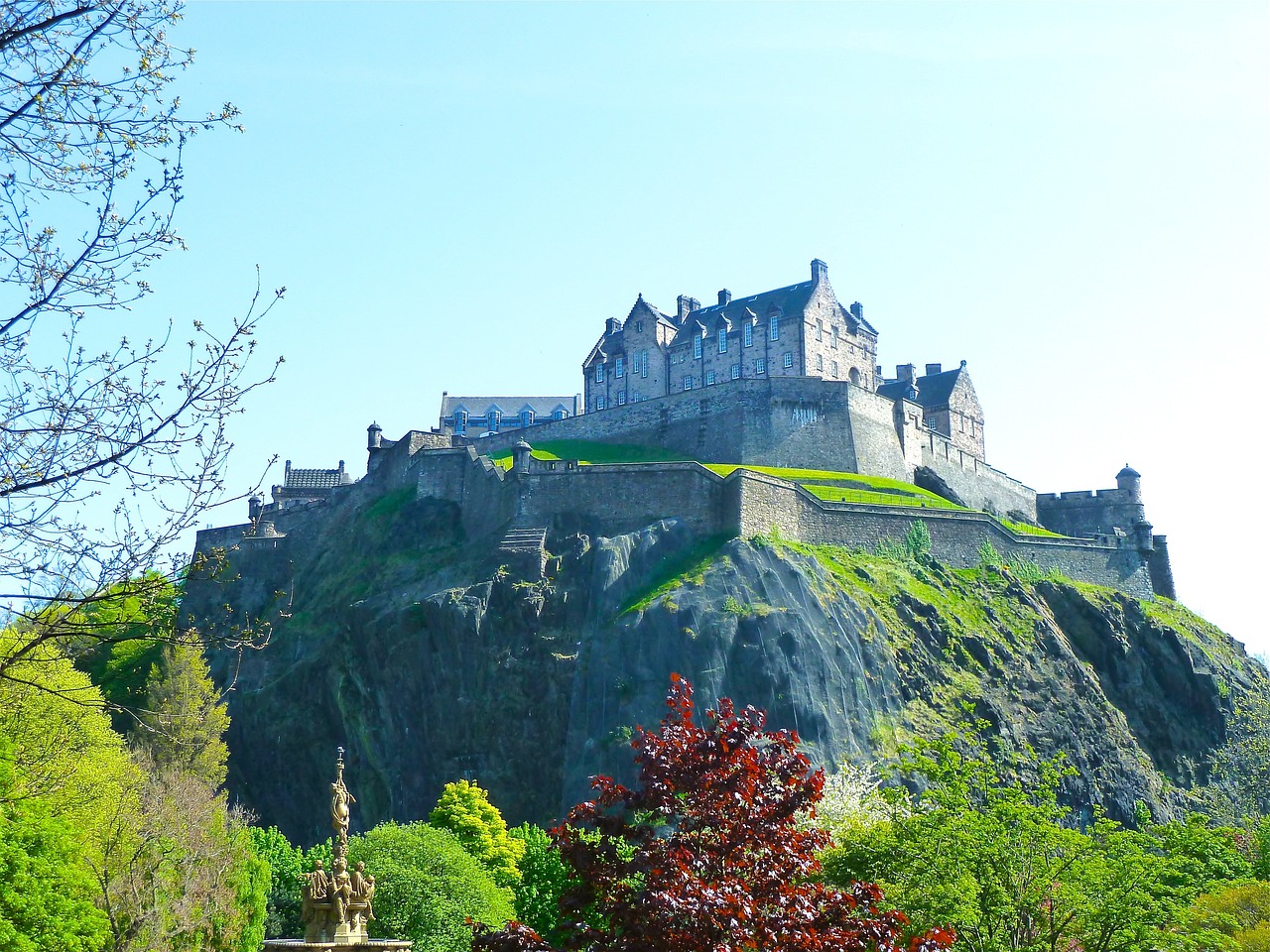
While many castles cost money, you don’t have to visit them all. If you want to see the famous ones (Edinburgh, Stirling, Urquhart), consider the Historic Environment Scotland (HES) Explorer Pass.
- The Math: This pass gives you entry to numerous sites over 3, 7, or 14 days. If you plan to visit three or more paid HES sites, the pass will save you money and time compared to buying individual tickets.
Part 5: Fueling Your Adventure (Food and Drink)
Eating out for every meal is a budget killer. Adopt a self-catering and strategic dining approach.
14. Self-Catering is King for Dinner
The biggest food savings come from eating dinner in. Shop at budget supermarkets like Aldi and Lidl (found in most Scottish towns) or larger stores like Tesco and Asda. Prepare your own meals in your hostel or self-catering kitchen.
- Picnic Power: Pack a thermos and a picnic lunch using supermarket meal deals (see below) for your days out hiking in the Highlands. Eating with a view is priceless!
15. The Meal Deal Strategy
For a quick, filling, and cheap lunch, master the UK’s ubiquitous supermarket meal deal (sandwich/wrap, snack, and a drink) typically priced between £3-£5. You’ll find these at Tesco, Sainsbury’s, and smaller local shops.
16. Affordable Dining: Pub Grub and Lunch Menus
When you do eat out, choose wisely:
- Lunch vs. Dinner: Many high-quality restaurants offer set lunch menus for a fraction of their dinner price. This is the perfect time to try a fancy meal.
- Pub Grub: Seek out local pubs for classics like fish & chips or steak pie. These are usually hearty and much cheaper than formal dining rooms.
- Takeaway: A traditional “Chippy” (Fish and Chip shop) offers a filling, delicious meal for around £7-£10.
17. Hydration is Free
The tap water in Scotland is among the best and safest in the world. Always carry a reusable water bottle and fill up from the tap. Not only is it environmentally friendly, but it saves you the cost of bottled water every day. If you grab coffee, bring a reusable cup—many cafes offer a small discount for doing so.
Scotland’s magic lies in its vast, open, and accessible landscapes. By focusing your budget on experiences over expensive frills, and by leveraging the brilliant free resources and excellent public transport, your Tartan Trips adventure will be rich in memory and light on your wallet. Happy saving, and enjoy the adventure!