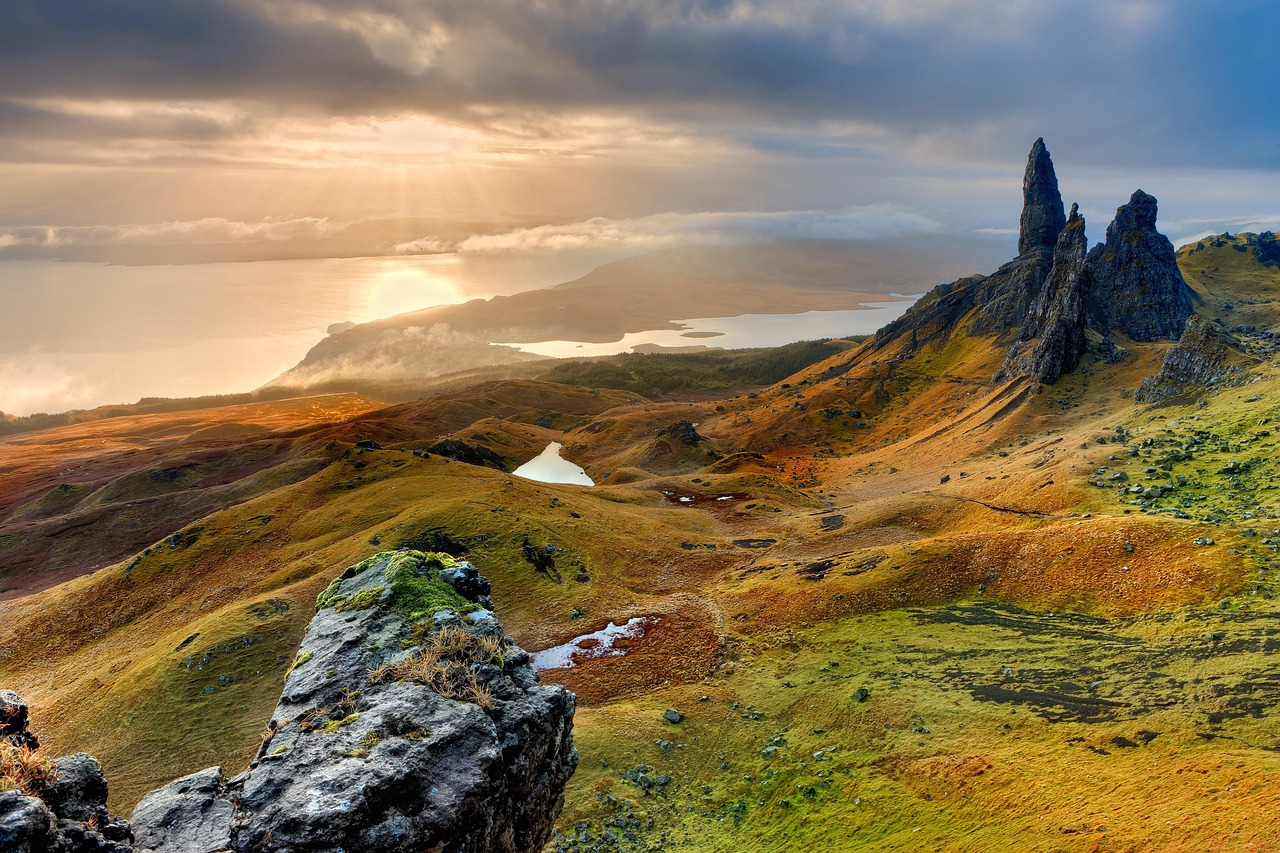
The image of Scotland is iconic: the mist-shrouded peaks of Skye, the historic grandeur of Edinburgh Castle, and the deep, dark waters of Loch Ness.
These places are famous for good reason, but their popularity comes at a cost: crowds, traffic, and a constant scramble for the perfect photo spot.
But for the traveler willing to venture just a few miles beyond the main tourist routes, a different, quieter, and arguably more magical Scotland awaits.
This is the Scotland of the locals, of rugged coastal paths that require a hike, of villages frozen in time, and of glens so remote you might spend a day with only red deer for company.
At Tartan Trips, we believe the true spirit of Scotland is found in its solitude.
This 2000-word guide will take you far off the A-roads, revealing the Hidden Gems of Scotland that most tourists never see, allowing you to experience the authentic, breathtaking wildness of the nation.
Part 1: The ‘Secret’ Highlands – Glens and Mountains Without the Grid
When most people think of the Highlands, they envision Glencoe or the Cairngorm Ski resorts. But the most sublime wilderness is found in the deep glens and dramatic geological parks far to the west and north.
1. Glen Affric: The Caledonian Sanctuary
Overshadowed by the fame of nearby Loch Ness, Glen Affric is widely regarded by Scots as the most beautiful glen in the country. It is a stunning natural reserve where remnants of the ancient Caledonian Pine Forest still cling to the mountainsides, providing a true sanctuary for wildlife.
- The Experience: This is a hiker’s paradise. Take the incredible 11-mile circular path around Loch Affric and Loch Beinn a’ Mheadhain. The air here feels purer, scented with pine and damp earth. You can also visit Dog Falls and the breathtaking Plodda Falls, one of Scotland’s highest waterfalls, hidden deep within the trees.
- Why It’s a Gem: Its location—an hour’s drive west of Inverness on single-track roads—keeps the tour buses away. Here, you are immersed in the ecosystem that defined Scotland before modern times.
2. The Assynt Peninsula: Land of the Island Mountains
In the North West Highlands Geopark lies the Assynt Peninsula, a truly wild and ancient region characterized by dramatic, dome-like peaks that seem to rise independently from the moorland—often nicknamed “island mountains.”
- The Peaks: This area is dominated by the unmistakable outlines of Suilven and Stac Pollaidh. While climbing Suilven is a serious, remote undertaking, the ascent of Stac Pollaidh is shorter, offering challenging scrambles and utterly breathtaking panoramic views of the entire region and the Atlantic coast.
- The Coast: For a gentle reward, visit Achmelvich Beach, known for its Caribbean-esque white sands and turquoise waters—a stark contrast to the rugged mountains inland. Also, explore the Bone Caves of Inchnadamph, where ancient animal and human remains have been discovered.
3. Glen Etive: The Photographer’s Muse
While every bus stops to admire the famous Three Sisters of Glencoe, very few turn off onto the long, narrow, dead-end road leading into Glen Etive. This glen offers the same raw, dramatic, and jagged mountain scenery as its famous neighbour, but with almost zero traffic.
- The Experience: The drive is spectacular, ending at the sea loch, Loch Etive. You’ll drive past the isolated Skyfall Lodge (from the James Bond film), find dozens of secluded spots for wild swimming in the River Etive, and encounter herds of red deer that graze unconcernedly right beside the road.
- Why It’s a Gem: It is a photographer’s dream—isolated, often misty, and utterly untamed. It requires effort to get there, but the reward is a genuine sense of solitude in the heart of the Highlands.
Part 2: The Edges of the Mainland – Dramatic Coastlines and Passes
Scotland’s edge lands are often defined by roads that test the nerves and coastlines that challenge the elements. These journeys reward the adventurous with unparalleled views and a deep connection to the wild Atlantic.
4. The Knoydart Peninsula: Britain’s Last Wilderness
The Knoydart Peninsula truly earns its title as “Britain’s last wilderness.” It is isolated from the mainland road network by a formidable wall of mountains, making it accessible only by ferry or a multi-day hike.
- The Destination: The tiny community of Inverie is the main settlement. Your first port of call here must be The Old Forge, officially recognized as the UK’s most remote mainland pub.
- The Journey: Take the passenger-only ferry from Mallaig. This is not a day trip; it’s an immersive escape. The surrounding mountain range, including the imposing Munro Ladair Bheinn, is perfect for experienced hikers who crave genuine seclusion and a challenging environment.
5. Applecross and the Bealach na Bà
The Applecross Peninsula is famed for one terrifying and exhilarating stretch of road: the Bealach na Bà (Pass of the Cattle). This road ascends 626 meters (2,054 feet) from sea level via a series of hairpin bends and gradients of up to 20%, making it the third-highest road in Scotland.
- The Drive: The Bealach na Bà is only for confident drivers and should be avoided in snow, high winds, or fog. The views from the summit, looking out across the sea to the Isle of Skye’s Cuillin mountains, are absolutely unforgettable.
- The Reward: The quaint village of Applecross awaits on the coast, nestled on a tranquil bay. Enjoy a well-earned pint and some locally caught langoustines at the famous Applecross Inn.
6. Sandwood Bay, Sutherland
Located in the far northern region of Sutherland, Sandwood Bay is one of the most beautiful and unspoiled beaches in the entire UK. Its four miles of pristine pink-gold sand, backed by dunes and a large, solitary sea stack (Am Buachaille), feels like the edge of the world.
- The Isolation: The only way to reach it is via a relatively flat, four-mile walk across open moorland from the road-end car park at Blairmore. This two-hour walk each way guarantees that only the dedicated few ever make it.
- The Magic: The total lack of facilities, roads, or buildings means you can often find yourself completely alone, witnessing the Atlantic waves crash against the silent, dramatic coastline.
Part 3: The Isles Less Travelled – Beyond the Inner Hebrides Giants
While Skye and Mull draw the bulk of the island-hopping crowds, Scotland’s smaller islands offer a more intimate, genuine, and easily accessible island experience.
7. The Isle of Arran: Scotland in Miniature
The Isle of Arran is aptly named “Scotland in Miniature” because it contains the rugged mountains of the Highlands in the north and the rolling lowlands in the south, all packed into one accessible island.
- Accessibility: Located in the Firth of Clyde, Arran is easily reached via a short ferry ride from Ardrossan (south of Glasgow), making it perfect for those who want an island escape without the long drive north.
- Highlights: Hike to the summit of Goat Fell for panoramic views, explore the stunning gardens and history of Brodick Castle, and sample fine whisky at the Arran Distillery. It is the ideal place to experience all the facets of Scotland in a condensed, friendly package.
8. Isle of Raasay: Skye’s Quiet Neighbour
Many visitors rush past the ferry terminal for the Isle of Raasay on their drive to Skye, yet this small island offers the views without the crowds.
- The Experience: Raasay is famous for Calum’s Road, a single-track road built by local resident Calum MacLeod over ten years after his plea for the council to do so was ignored. Climb Dùn Caan, the island’s highest point, which offers an incredible 360-degree view encompassing the Cuillin of Skye and the mountains of the mainland.
- Culture: The island is home to the contemporary Raasay Distillery, a young whisky brand that is helping to revitalize the small community.
9. The Extreme Outposts: Foula and Fair Isle
For the truly intrepid, the Shetland outposts of Foula and Fair Isle offer a journey into Scotland’s most remote communities.
- Fair Isle: Famous globally for its unique knitwear patterns and as a crucial bird observatory. Accessible by small ferry or plane, it is a haven for ornithologists and those seeking quiet culture.
- Foula: Home to some of Britain’s highest sheer cliffs, this island has fewer than 40 residents and maintains a fiercely independent, traditional way of life. The journey alone is an adventure, best suited for those craving profound solitude.
Part 4: History and Culture – Villages and Ruins Frozen in Time
The magic isn’t just in the mountains; it’s also in the hidden historical corners that feel untouched by the centuries.
10. Culross, Fife: Outlander’s Heart
The village of Culross (pronounced ‘Coo-riss’) on the northern shore of the Firth of Forth is one of the best-preserved 17th- and 18th-century royal burghs in Scotland, and a major filming location for the Outlander series.
- The Scene: With its cobbled streets, whitewashed houses, and distinctive red pantile roofs, walking through Culross feels exactly like stepping onto a historic movie set.
- Must-See: Explore the richly restored Culross Palace (actually a large merchant’s house) and the ruins of Culross Abbey high above the village. It is easily accessible from Edinburgh, yet somehow remains a quiet, living history lesson.
11. The Hermitage, Perthshire: A Woodland Fantasy
Near the town of Dunkeld lies The Hermitage, an enchanting National Trust for Scotland woodland walk that feels straight out of a fairy tale.
- The Walk: Follow the River Braan through towering Douglas firs—some of the tallest trees in Britain—leading to the spectacular cascade of the Black Linn Falls. The viewing platform is a tiny, whimsical structure known as Ossian’s Hall, which overlooks the falls in dramatic fashion.
- Why It’s a Gem: It is a beautiful, easy walk that transports you instantly away from the modern world into a peaceful, green cathedral of trees.
12. The Scottish Borders Abbeys
While Stirling and Edinburgh Castles dominate attention, the Scottish Borders region, south of Edinburgh, holds some of the most romantic and significant ruins in the country: the four great Border Abbeys.
- The Ruins: Melrose Abbey (the burial place of Robert the Bruce’s heart), Jedburgh Abbey, Dryburgh Abbey, and Kelso Abbey were all once symbols of incredible wealth and power. Now, their beautiful Gothic ruins stand in tranquil, rolling countryside.
- The Experience: You can easily spend a day driving between these historic towns, exploring their quiet architectural grandeur and soaking up the long, dramatic history of the Scotland-England border wars, without battling the crowds of the popular city sites.
Scotland’s most profound beauty is often reserved for those who seek it. By venturing away from the crowded paths and embracing the wild corners, you will find a nation of quiet majesty, welcoming communities, and unforgettable, authentic magic. We encourage you to leave the itinerary behind and discover your own Tartan Trips hidden gem.