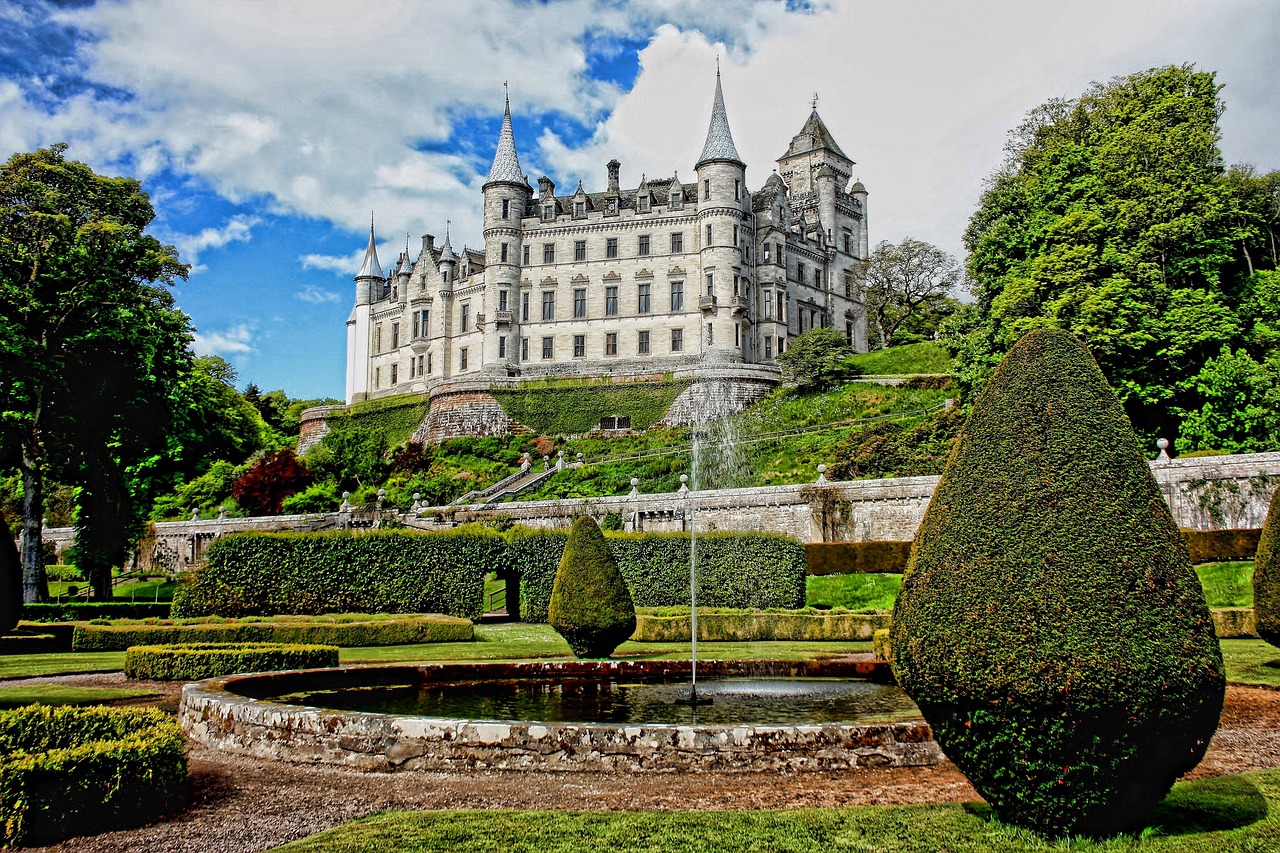
Scotland is the undisputed castle capital of the world. With over 3,000 existing or ruined fortifications, these stone structures are more than just architecture; they are the heart of the nation’s dramatic history. They stand as enduring symbols of clan warfare, royal power, and legendary romance.
For first-time visitors, deciding which castles to visit can be overwhelming. Do you choose the historic fortresses in the cities, the rugged ruins clinging to the cliffs, or the romantic towers deep in the Highlands?
At Tartan Trips, we believe you should see them all! This complete guide details the 10 best castles in Scotland and, crucially, provides practical advice on how to weave them seamlessly into your travel itinerary, turning a simple trip into an epic historical quest.
Part 1: The Iconic City Sentinels (Power and Pageantry)
These are the essential stops—the fortresses of power that define Scotland’s greatest cities.
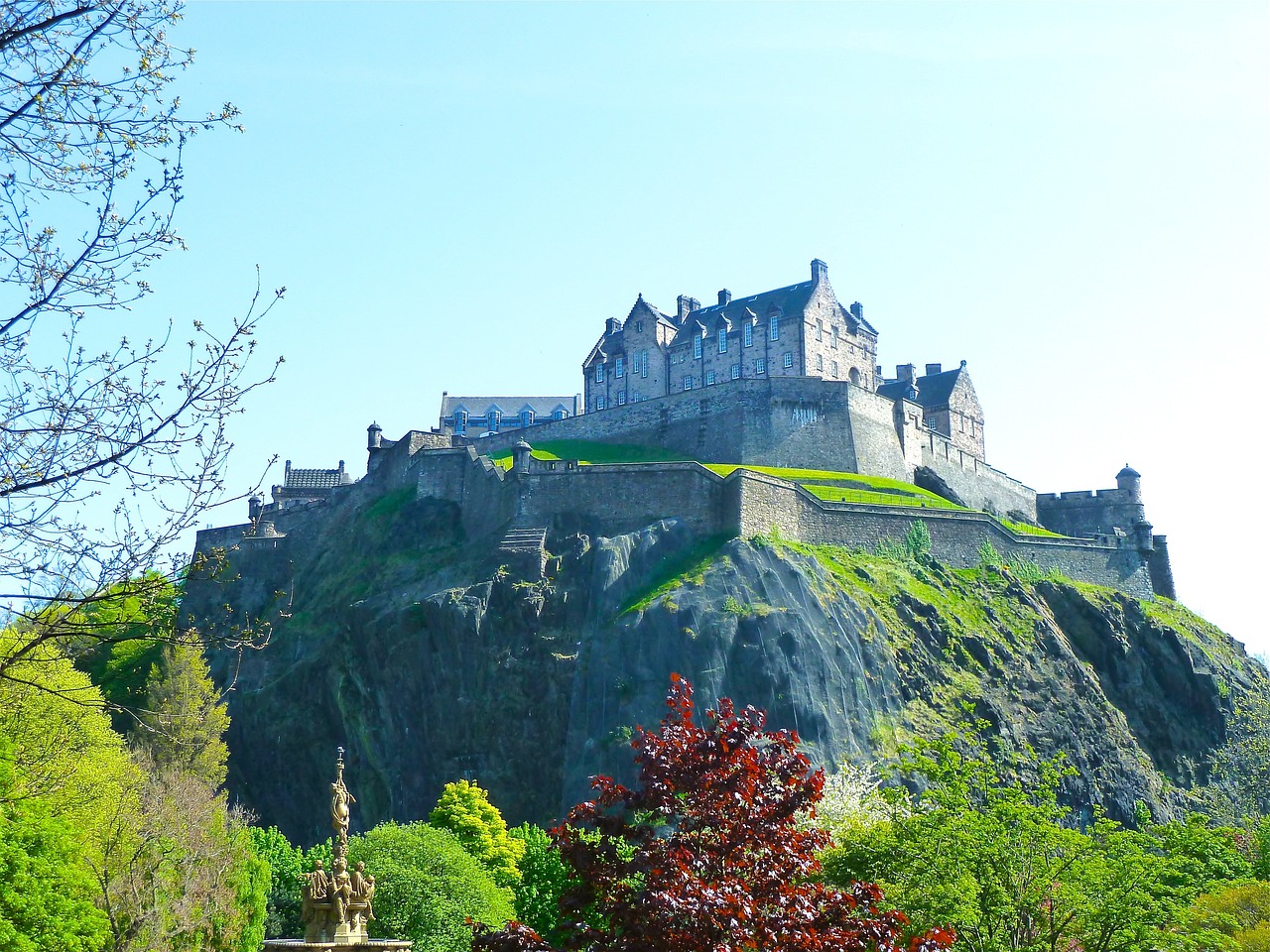
1. Edinburgh Castle
No trip to Scotland is complete without standing on the ramparts of Edinburgh Castle. Built atop an extinct volcano, this fortress has witnessed centuries of siege, celebration, and royal scandal. It holds the Honours of Scotland (the Scottish Crown Jewels), the Stone of Destiny, and the Great Hall, which hosted banquets and parliaments.
How to Include It in Your Trip:
- Logistics: Located at the top of the Royal Mile in the heart of the Old Town.
- Itinerary Inclusion: This is a Day 1 activity. Book tickets well in advance to secure an early morning entry slot, allowing you to beat the massive crowds. Allocate 2.5 to 3 hours for a full visit.
- Tip: If you are visiting in August, book a ticket for the Royal Edinburgh Military Tattoo to see the castle come alive at night with pipes, drums, and pyrotechnics.
2. Stirling Castle
Known historically as the “Key to Scotland,” whoever held Stirling Castle held the country. Situated strategically between the Highlands and the Lowlands, this castle was the favoured residence of the Stewart monarchs and the coronation site for Mary, Queen of Scots. Today, it boasts magnificent Renaissance architecture, beautifully restored royal apartments, and fantastic exhibits on the court life of James V. The views over the site of the Battle of Stirling Bridge (1297) and the Wallace Monument are incredible.
How to Include It in Your Trip:
- Logistics: Easily accessible, located just a 45-minute drive or train ride from both Edinburgh and Glasgow.
- Itinerary Inclusion: Perfect as a day trip from either city, or as your first stop when driving north into the Highlands, as it sits right at the geographical ‘gateway.’ It pairs well with a visit to the nearby Wallace Monument.
- Tip: Stirling is significantly less crowded than Edinburgh Castle, offering a more relaxed historical experience without compromising on importance.
Part 2: The Highland Romantics (Scenery and Splendour)
These castles are famous not just for their history, but for their dramatic, cinematic locations set against the breathtaking Highland landscape.
3. Eilean Donan Castle
Perhaps the most photographed castle in the world, Eilean Donan is instantly recognizable. Located on a small tidal island where three lochs (Loch Duich, Loch Long, and Loch Alsh) meet, it is connected to the mainland by an elegant arched stone bridge. While the current structure is a 20th-century reconstruction (restored after being largely destroyed in 1719), it perfectly embodies the enduring, romantic vision of a medieval Highland fortress.
How to Include It in Your Trip:
- Logistics: Located just off the main road (A87) leading to the Isle of Skye.
- Itinerary Inclusion: This is an essential pit stop if you are driving to or from the Isle of Skye. Plan your visit for the afternoon or early evening to capture the best light on the loch. Allocate 1-1.5 hours.
- Tip: The castle houses a wonderful collection of Jacobite artifacts and weapons, offering a deep dive into the 18th-century Highland rebellions.
4. Urquhart Castle (Loch Ness)
A spectacular ruin set right on the banks of Loch Ness, Urquhart Castle has stood guard over the water for centuries. Its dramatic position makes it the best place to search for the elusive Nessie while exploring its fragmented architecture. The castle played a pivotal role in the Wars of Scottish Independence, changing hands repeatedly between the Scots and the English.
How to Include It in Your Trip:
- Logistics: Located roughly halfway down the western shore of Loch Ness, easily accessed from the A82 road between Fort William and Inverness.
- Itinerary Inclusion: Include this as a stop on your A82 Highlands road trip. Combine a castle visit with a one-hour Loch Ness boat tour departing directly from the Urquhart site for a full historical and legendary experience.
- Tip: Buy tickets online. The visitor centre is modern and provides a great historical context before you head out to the ruins.
5. Inveraray Castle
The ancestral home of the Duke of Argyll, Chief of the Clan Campbell, Inveraray Castle is a magnificent example of neo-Gothic architecture set on the shores of Loch Fyne. Surrounded by beautiful gardens, its interior boasts an impressive Armoury Hall, featuring over 1,300 historic weapons. The castle offers a real glimpse into the enduring power of the Highland clan system.
How to Include It in Your Trip:
- Logistics: Located in the picturesque town of Inveraray, a key point on the A83 road that runs along the western side of the Trossachs National Park.
- Itinerary Inclusion: Ideal for travelers driving the West Coast route or those enjoying the Loch Lomond and Trossachs National Park. It makes a perfect overnight stop near the lochside.
- Tip: Check the opening schedule; as a private home, it often has more restricted opening days than state-run castles.
Part 3: Dramatic Coastal Fortresses (Ruins and Views)
These castles offer incredible drama, clinging to clifftops and boasting some of the most spectacular coastal views in Scotland.
6. Dunnottar Castle
Situated on a towering, isolated rock headland near Stonehaven, Dunnottar Castle is a dramatically beautiful ruin. Its seemingly impenetrable position saved the Scottish Crown Jewels (the Honours of Scotland) from Cromwell’s army during a siege in the 17th century. The walk down the cliff path and up to the castle entrance is an experience in itself.
How to Include It in Your Trip:
- Logistics: Located south of Aberdeen. It requires a short drive off the main A90 road.
- Itinerary Inclusion: A superb stop if you are driving along the East Coast route between Edinburgh and Aberdeen, or beginning the northeastern leg of a tour. Allow 2 hours, plus the time for the steep walk.
- Tip: The best photos are taken from the walking path before you descend to the castle, capturing the structure in its full, majestic coastal context.
7. Culzean Castle
A true architectural masterpiece, Culzean Castle is an 18th-century clifftop masterpiece designed by Robert Adam. Located on the Ayrshire coast, it’s surrounded by vast country parkland, complete with manicured gardens and forests. The interiors are stunning, but the most unique feature is the Eisenhower Apartment, a lavish flat given to General Eisenhower for his services during WWII, which is now available for private stays.
How to Include It in Your Trip:
- Logistics: Located southwest of Glasgow, near the town of Ayr.
- Itinerary Inclusion: Perfect as a day trip from Glasgow or as the start/end point for a tour of the Southwest coast. The surrounding country park makes it ideal for families.
- Tip: Explore the castle’s network of secret caves and tunnels hidden beneath the clifftop structure.
Part 4: Royal Retreats and Literary Legends
These are castles with strong connections to Scotland’s literary heroes, the Royal Family, or their own unique historical narratives.
8. Glamis Castle
Pronounced “Glarms,” Glamis Castle is a spectacular French-style chateau located in the fertile Angus countryside. It is the childhood home of the late Queen Mother, Elizabeth Bowes-Lyon, and, more famously, the legendary setting for Shakespeare’s Macbeth. The castle is celebrated for its stunning architecture, opulent interiors, and the plethora of intriguing ghost stories and myths that shroud its history.
How to Include It in Your Trip:
- Logistics: Located north of Dundee and easily accessible from the A90 road.
- Itinerary Inclusion: A perfect addition to an East Coast tour or a scenic detour between the Cairngorms and the coast. The beautiful grounds alone warrant a lengthy visit.
- Tip: The castle grounds host superb gardens and woodland walks, ideal for a relaxed afternoon.
9. Cawdor Castle
Forever linked to Shakespeare’s Macbeth (though the current structure was built centuries after the historical king lived), Cawdor Castle is a wonderfully preserved medieval fortress near Inverness. Still occupied by the Dowager Countess Cawdor, the castle retains a warm, lived-in atmosphere. Its beautifully maintained gardens—the Walled Garden, the Flower Garden, and the Wild Garden—are worth the visit alone.
How to Include It in Your Trip:
- Logistics: Just a 20-minute drive east of Inverness.
- Itinerary Inclusion: An ideal half-day trip when you are based in the Highlands capital of Inverness. Combine it with a trip to the nearby historic Culloden Battlefield.
10. Balmoral Castle
Known as “The jewel in the crown of the Scottish estates,” Balmoral is the private Highland residence of the Royal Family. While largely a Victorian mansion built under Prince Albert, its connection to the British monarchy is profound, serving as a sanctuary and retreat. Public access is often limited to the Ballroom, exhibitions, and the extensive grounds.
How to Include It in Your Trip:
- Logistics: Located deep within the Cairngorms National Park, on the A93 road west of Ballater.
- Itinerary Inclusion: Essential for anyone driving through the Cairngorms National Park. The castle is usually open to the public only from April to July, as the Royal Family uses it throughout August and September. Plan your trip accordingly.
Part 5: Practical Planning: Building Your Castle Itinerary
Maximizing your time on the ground requires smart planning. Use these tips to build a seamless castle-hopping adventure:
The Historic Scotland Pass Advantage
Most of the major castles (Edinburgh, Stirling, Urquhart, etc.) are managed by Historic Environment Scotland (HES). If you plan to visit three or more HES sites, purchasing an Explorer Pass will save you a substantial amount of money and time (allowing you to skip ticket queues). Passes are available for 3, 7, or 14 days.
Grouping Castles by Route
To minimize driving, group your castle visits geographically:
| Route Type | Castles to Group | Focus |
| The Central Triangle | Edinburgh, Stirling, Glamis | History, Royalty, and Easy Access |
| Highland Grand Tour | Urquhart, Eilean Donan, Cawdor | Scenery, Lochs, and Skye Connections |
| Coastal Drama | Dunnottar, Culzean | Dramatic Views and Photo Opportunities |
Timing and Logistics
- Book Edinburgh and Stirling Tickets Ahead: Always pre-book tickets online for the most famous castles to guarantee entry and your preferred time slot, especially during the peak summer season (June-August).
- Opening Times: Most castles open around 9:30 AM or 10:00 AM and close between 4:00 PM and 5:30 PM. Start your day early to hit the main site before the crowds arrive.
- Embrace the Ruins: Don’t just focus on the restored castles. Scotland’s atmospheric ruins, like Dunnottar, offer some of the most powerful and authentic historical experiences.
Scotland’s castles are waiting to tell their tales. By using this guide, you can confidently build an itinerary that not only hits the most famous landmarks but also navigates the country efficiently, ensuring every day of your Tartan Trip is steeped in drama, history, and unmatched scenic beauty.