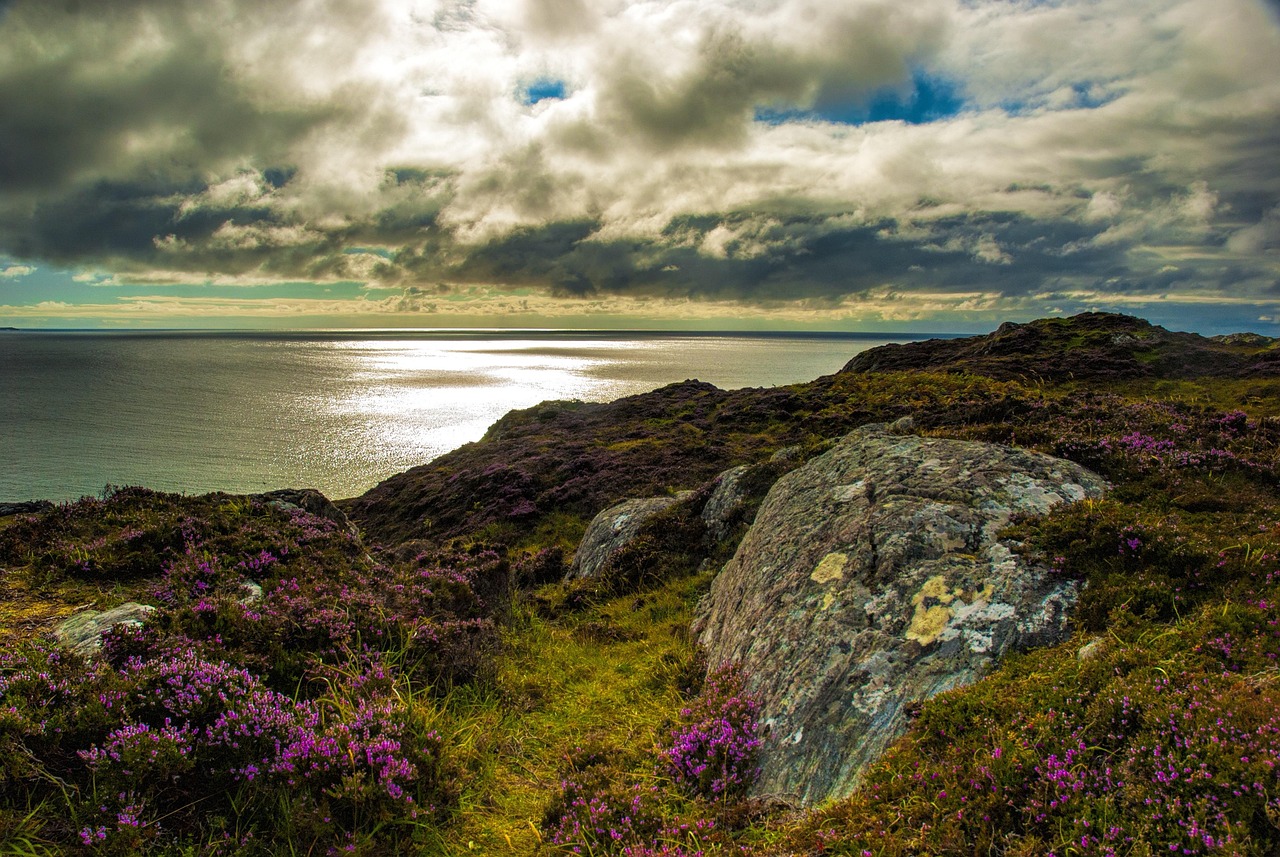
The Scottish Highlands—a landscape so vast and dramatic it could swallow entire countries whole—is more than just a destination; it is the spiritual and geographical heart of Scotland. It is a land defined by ancient mountains, legendary lochs, haunting battlefields, and a cultural identity steeped in clan history and the finest whisky.
For first-time visitors, the sheer scale of the Highlands can be daunting. Where do you begin to explore a region that stretches over 10,000 square miles?
At Tartan Trips, we have curated the definitive list of essential experiences, dividing the Highlands into manageable, magical sections. From iconic filming locations to isolated coastal gems, this 2000-word guide will help you craft the perfect, unforgettable Highland adventure.
Part 1: The Western Wonders – Iconic Glens and Famous Fortresses
The West Highlands, with their proximity to the Atlantic, are the most dramatic and historically significant region, defined by deep glens and colossal mountains.
1. Glencoe: The Emotional Heart of the Highlands
No amount of preparation can ready you for the majesty of Glencoe. As you drive the winding A82 road through the pass, you are surrounded by mountains of terrifying scale, including the famous Three Sisters (Beinn Fhada, Gearr Aonach, and Aonach Dubh). The scene is both breathtaking and melancholic, carrying the weight of the 1692 massacre of the MacDonald Clan.
- The Essential Drive: The road through Glencoe is magnificent, offering constant opportunities to pull over and absorb the landscape. Stop at the Three Sisters Viewpoint for the classic photograph.
- The Lost Valley (Coire Gabhail): For the adventurous, a rewarding 3-4 hour hike takes you through the narrow Pass of Glencoe and into the Lost Valley, a hidden area where the MacDonalds allegedly hid their stolen cattle. This walk is challenging but transports you deep into the heart of the mountains.
- Glencoe Lochan: For a gentler experience, explore the peaceful walking trails around Glencoe Lochan near the village, offering beautiful reflections of the peaks in the still water.
2. Eilean Donan Castle: The Postcard Perfect Fortress
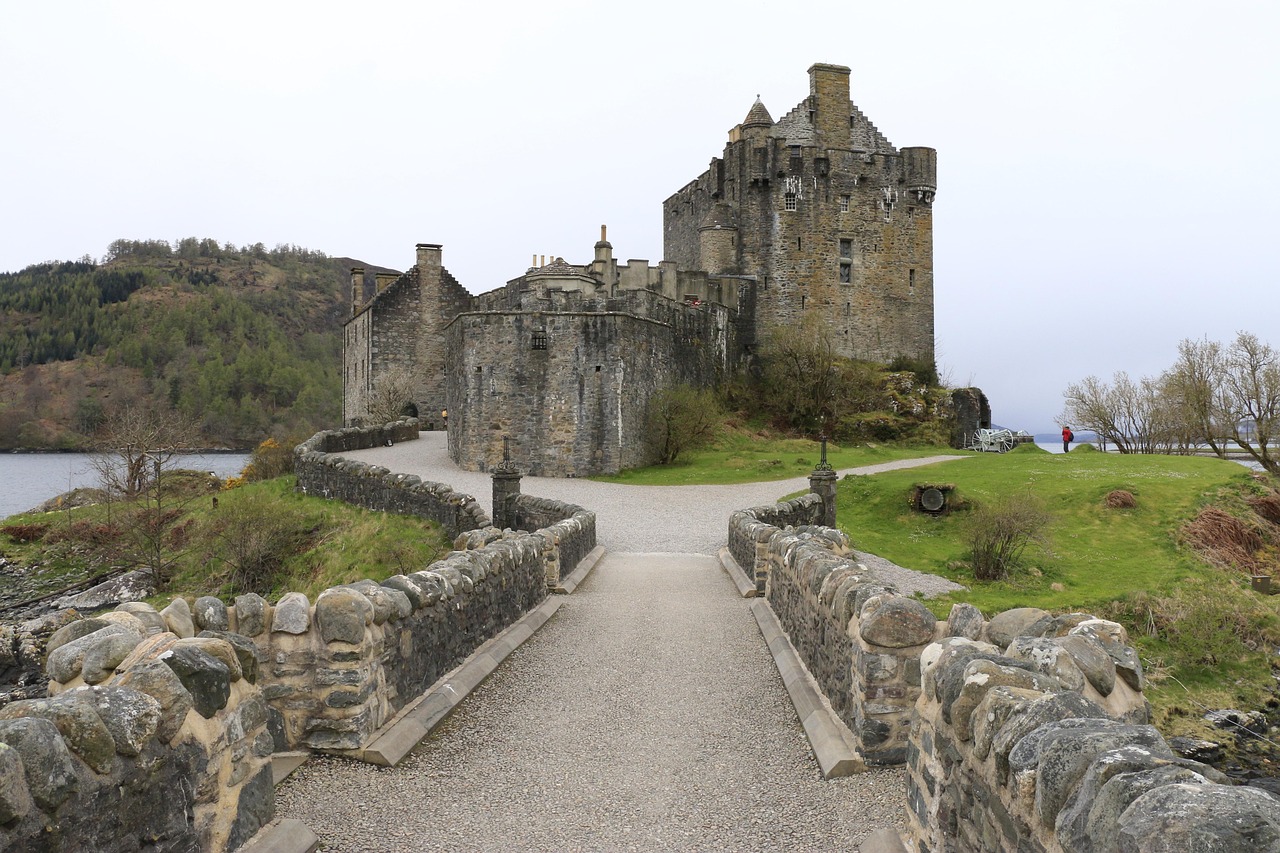
Situated where three sea lochs (Loch Duich, Loch Long, and Loch Alsh) meet, Eilean Donan Castle is arguably the most photographed castle in Scotland. Its stunning location, connected to the mainland by a picturesque stone bridge, makes it the perfect gateway to the Isle of Skye.
- History and Lore: Built in the 13th century as a defence against the Vikings, the castle has a tumultuous history, being partially destroyed during the Jacobite Rising in 1719 before being beautifully restored in the 20th century.
- The Visit: Allow at least two hours to explore the interior, which features ancient artefacts, weapons, and historical exhibitions, and certainly take the time to photograph the castle from the shoreline, capturing its majesty against the dramatic mountain backdrop.
3. The Jacobite Steam Train & Glenfinnan Viaduct
For Harry Potter fans and rail enthusiasts alike, the journey across the Glenfinnan Viaduct is a must. The Jacobite Steam Train (known worldwide as the Hogwarts Express) travels the scenic 84-mile Road to the Isles route between Fort William and Mallaig.
- Riding the Train: Booking a seat on the Jacobite (available seasonally) offers one of the world’s most beautiful rail journeys, chugging past Loch Shiel and over the viaduct itself.
- Viewing the Train: For the classic photo, park near the Glenfinnan Viaduct Visitor Centre and take the short but steep walk up the hill opposite the viaduct. Time your visit to coincide with the train crossing (check the seasonal schedule well in advance).
- Glenfinnan Monument: While there, visit the Glenfinnan Monument at the head of Loch Shiel, erected in 1815 to commemorate the start of the 1745 Jacobite Rising by Bonnie Prince Charlie.
Part 2: Island Escapes – The Essential Isle of Skye
Just off the mainland’s west coast, the Isle of Skye offers landscapes so bizarre and beautiful they feel otherworldly. While Skye demands several days to explore properly, these three sites are essential.
4. The Old Man of Storr
Dominating the Trotternish Peninsula, the Old Man of Storr is one of Scotland’s most famous rock formations—a lonely, massive pinnacle of rock visible for miles around.
- The Hike: The walk is popular and steep but well-maintained, taking approximately 1.5 to 2 hours round trip. The reward is a breathtaking panorama stretching across the island and out to the mainland.
- Photography Tip: Arrive early! To capture the famous misty atmosphere and beat the summer crowds, aim to start hiking shortly after sunrise.
5. The Quiraing
Located further north on the same peninsula, the Quiraing is a vast landslip that has created a bizarre, craggy landscape of rock pinnacles, hidden plateaus, and jagged cliffs.
- The Walk: The full circuit is a challenging 4.2-mile loop (around 3 hours), taking you through features with names like The Prison (a naturally formed rock pyramid) and The Needle (a sharp, isolated spire). The views from the top of the Trotternish Ridge are unparalleled.
- Scenery: This is the best place to appreciate Skye’s unique, unsettling geology, where the ground is constantly shifting and falling into the sea.
6. The Fairy Pools
Nestled in Glen Brittle at the foot of the Black Cuillin mountains, the Fairy Pools are a series of crystal-clear waterfalls and turquoise pools flowing from the River Brittle.
- Wild Swimming: The pools are famous for wild swimming, though the water is consistently icy cold—even in August! A short, relatively flat 1.5-mile walk (round trip) leads you to the best pools.
- Logistics: The water gets its beautiful clarity from its pure mountain source. Be sure to wear sturdy, waterproof footwear, as the path can be boggy.
Part 3: Lochs, Legends, and the Northern Capital
The heartland of the Highlands revolves around its largest lake, the legendary Loch Ness, and the regional capital, Inverness.
7. Loch Ness and Urquhart Castle
The search for the mythical Nessie draws millions to Loch Ness, the deepest and most voluminous lake in the UK. While sightings are rare (to say the least), the sheer beauty of the loch, surrounded by forested hills, is reward enough.
- Urquhart Castle: Perched dramatically on the western shore of the loch, these beautiful ruins date back to the 13th century. Visit the castle, climb the tower for panoramic views, and learn about its dramatic history of sieges and destruction.
- Boat Tours: The best way to appreciate the loch’s scale is by taking a boat cruise from Inverness or Fort Augustus. These cruises often feature sonar displays, adding to the Nessie lore.
- Fort Augustus: Stop at this picturesque village at the southern tip of the loch to watch boats navigate the lock system of the Caledonian Canal.
8. Inverness: The Highland Capital & Historic Sites
Inverness serves as the perfect base camp for exploring the northern and eastern Highlands. It is a vibrant, modern city steeped in history.
- Culloden Battlefield: Just east of the city lies the profoundly moving Culloden Battlefield, the site of the last pitched battle fought on British soil (1746), which crushed the final Jacobite Rising. The National Trust for Scotland visitor centre and the site itself offer a poignant look at the battle and its devastating aftermath.
- Clava Cairns: Near Culloden are the Clava Cairns, a Bronze Age cemetery complex featuring impressive standing stones and burial cairns dating back 4,000 years. These atmospheric stones are a fantastic example of prehistoric Scottish ritual.
Part 4: The Eastern Frontier – Cairngorms National Park & Speyside
The Eastern Highlands are dominated by the Cairngorms National Park, a landscape of high-altitude plateaus, ancient forests, and the world-famous whisky region.
9. Cairngorms National Park: UK’s Largest Wilderness
Covering over 1,700 square miles, the Cairngorms offer a different type of beauty than the west—a vast, subarctic landscape of granite peaks and dense Caledonian pine forest.
- Wildlife and Nature: The park is home to a unique free-roaming reindeer herd (near Aviemore) and a variety of rare Scottish wildlife. Visit the Highland Wildlife Park to see polar bears, wolves, and other magnificent species in large, natural enclosures.
- Hiking and Adventure: Base yourself in Aviemore for access to hiking, mountain biking, and water sports on nearby lochs. In winter, the park offers the best skiing and winter climbing in the UK.
- Landmark Forest Adventure Park: A fantastic family attraction near Carrbridge, offering high-adrenaline activities, water slides, and nature trails.
10. The Speyside Whisky Trail
East of the Cairngorms lies the Speyside region, which boasts the highest concentration of malt whisky distilleries in the world. This is the heartland of the “water of life.”
- The Experience: Follow the Speyside Whisky Trail to visit globally famous distilleries like Glenlivet, Glenfiddich, and The Macallan. Tours typically explain the process from barley to bottle and conclude with a tasting of their unique single malts.
- Dalwhinnie: Situated at 1,154 feet, Dalwhinnie Distillery is one of the highest in Scotland and offers tours paired with chocolate—a perfect stop on a road trip.
Part 5: Highland Highs – Peaks and Coastal Extremes
For the adventurous and those willing to venture to the northern extreme, the rewards are dramatic.
11. Ben Nevis and The Nevis Range
Ben Nevis, at 4,413 feet (1,345m), is the highest mountain in the UK. While climbing it is a major challenge (allow 7-9 hours), the area offers views for all ability levels.
- Fort William: Known as the “Outdoor Capital of the UK,” Fort William is the best base for mountaineering and mountain biking.
- Nevis Range Gondola: For stunning views without the demanding climb, take the Gondola up the slopes of Aonach Mòr. It’s a spectacular experience that offers panoramic vistas of the surrounding peaks and glens.
12. The Far North Coast: Smoo Cave and Sandwood Bay
For those driving the North Coast 500 (NC500), the far northern coast offers unique natural marvels:
- Smoo Cave: Near Durness, this is a spectacular combined sea and freshwater cave, featuring a magnificent waterfall plunging into the inner chamber. It’s a remarkable geological feature accessible by a short, dramatic walk.
- Sandwood Bay: Considered by many to be the most beautiful and wild beach in Britain, its four miles of pristine pink-gold sand and dramatic sea stack are only reachable via a 4-mile walk from the nearest road—a truly rewarding journey to the edge of the world.
The Scottish Highlands invite you to trade crowded streets for vast wilderness, history books for ancient stones, and busy schedules for the quiet sound of a mountain burn. Embrace the scale, pack for all four seasons, and prepare for an adventure that will redefine your idea of beautiful.